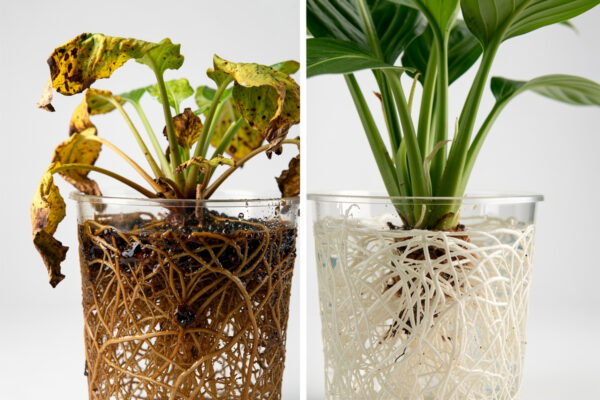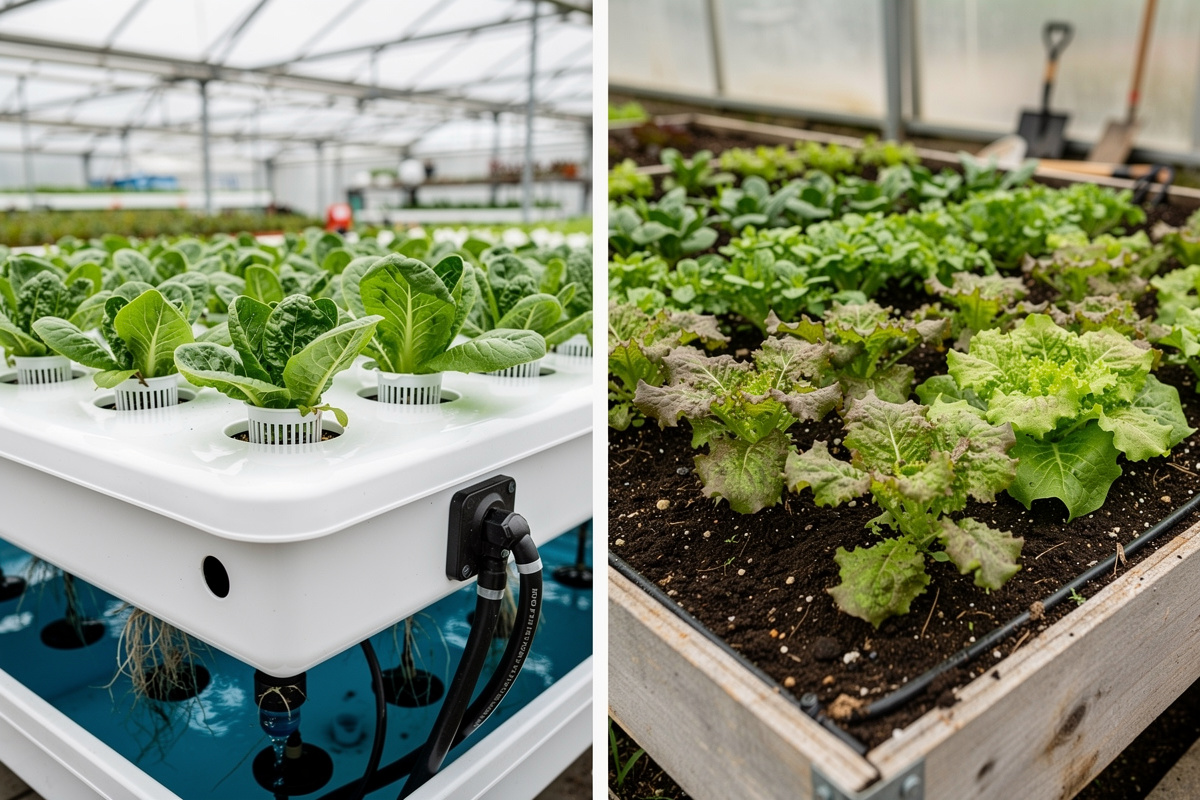
Switch from hydroponics back to soil when your system shows three or more of these signals over a 30-day window: persistent root rot you cannot solve with sterilization, electricity costs above $40 per month for the yield you are getting, water use that exceeds 8 gallons per kilogram of harvest, or a crop rotation that has stalled because your reservoir keeps failing. Soil is not a defeat — for some growers and some crops, it is the right next system.
Hydroponic evangelism makes the move sound like a step backwards. It is not. Soil has measurable advantages for certain crops, certain budgets and certain household setups. The honest question is not “soil or hydro” but “which system is right for the next 12 months of growing for me?” This guide gives you the indicators that justify the switch, the transition process for plants currently in the system, and how to set up the soil bed so you do not lose the productivity you built up.
The Six Indicators That Soil Will Outperform Your Hydro Setup
Most growers know in their gut when hydro is not working — they just don’t have language for it. These are the six measurable indicators I use to decide, the same ones I’ve walked friends through when their reservoir stops being fun and starts being a chore.
1. Repeated root rot under proper protocols. If your dissolved oxygen is at 6+ ppm, your reservoir temperature is holding at 65-68 °F, and you are still getting brown slimy roots within 3 weeks of every fresh start, the system is fighting biology you cannot win against. I keep my own reservoirs at or below 68 °F (20 °C) and treat anything above 72 °F (22 °C) as the danger zone — if root rot keeps coming back inside that safe band, it’s not a temperature problem anymore. Soil’s living microbiome is more forgiving than a sterilized reservoir.
2. Electricity cost exceeds 30% of the value of the harvest. Pump, air stones, lights and heaters can quietly add up on a monthly bill. If you are growing $100 of lettuce a month and paying $40 in power, that is a working system. If it is $20 of lettuce against $40 in power, the math tells you to grow it outdoors in soil. I run this comparison on my own bench every few months — it’s the fastest gut-check I know for whether a system is still earning its electricity.
3. Water consumption higher than soil for your crop. Hydroponics is sold as water-efficient, but a leaky reservoir, an evaporative top of an NFT channel, or an over-aggressive flush schedule can flip the equation. Track gallons in versus harvest weight for one full cycle and compare — I keep this number in my res log the same way I track EC and pH, and it’s caught more than one slow leak before it became a real problem.
4. Crop choice has drifted to crops soil grows better. Hydroponic strawberries, hydroponic peppers and hydroponic tomatoes are documented winners on my bench. Hydroponic potatoes, hydroponic root vegetables and hydroponic vining squash are not — I’ve never bothered running any of them hydroponically, because the tradeoffs don’t make sense next to soil. If your interest is shifting toward roots, alliums or vining cucurbits, the system is the wrong tool.
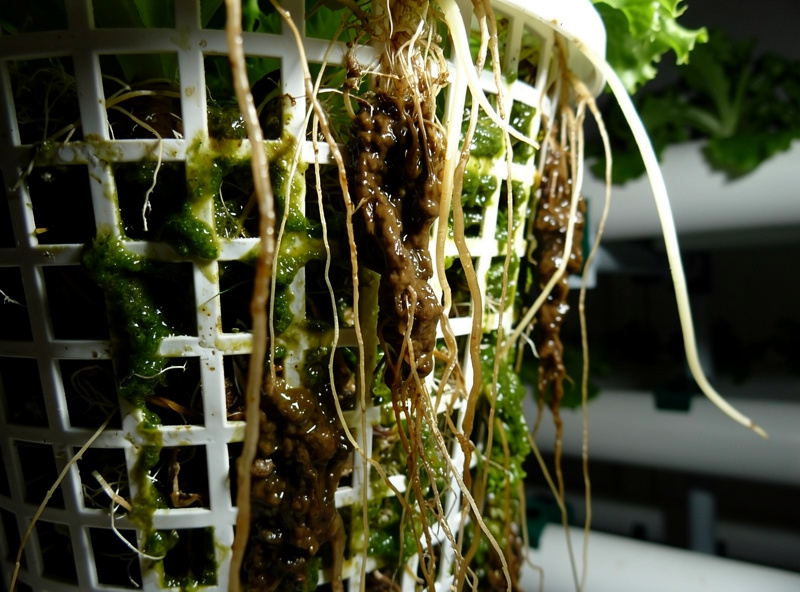
5. Maintenance time exceeds the time you actually have. A working hydro system is 30-45 minutes of weekly attention: pH and EC checks, top-ups, sterilization, occasional troubleshooting. If you are skipping weeks because life is busy, soil’s lower-frequency demands (water, mulch, occasional fertilization) match your real schedule better.
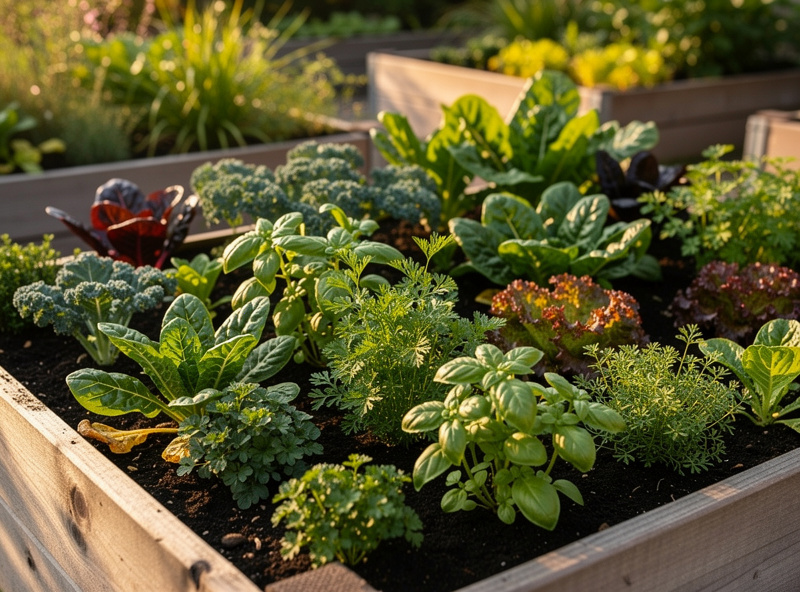
6. The space could grow more in soil. A well-built 4 by 8 ft outdoor raised bed in full sun, mixing a few tomato plants with a rotation of greens, consistently outproduces what I get from a same-footprint indoor vertical tower running greens alone across a comparable season — the tomato plants alone can carry more total weight than an entire tower of lettuce and herbs. If outdoor space is on the table, the productivity-per-square-foot math often favours soil, especially once you factor in that the outdoor bed isn’t drawing a watt of electricity to do it.
How to Read the Signals Together
One indicator alone does not justify a switch — every system has bad weeks. The threshold I use on my own bench is three or more indicators sustained over 30 days, OR one severe indicator (a root rot you cannot kill, a power bill that has tripled) that has resisted your normal fixes. Below that threshold, work through my common hydroponic mistakes guide and my EC meter calibration article first — most “soil is calling me” feelings are actually a calibration drift or a nutrient lockout that is fixable in an afternoon. I’ve talked myself out of tearing down a system more than once just by re-calibrating a drifted pen.
The 14-Day Transition: Hydro Plants to Soil
Plants that have grown their entire life in a saturated nutrient bath cannot be plugged into a dry soil bed without a transition. The roots will burn, the plant will wilt for a week, and a third of your transplants will die. The protocol below moves your hydro plants to soil with under 10% mortality.
Day 1-3 (preparation). Build the soil bed using a coarse, well-draining mix — this is not the place to go compost-heavy. Roots coming off a saturated hydro system need drainage and aeration more than they need a nutrient load on day one. I build mine close to UF/IFAS’s homemade seedling mix — roughly two parts compost, two parts peat moss or coir, one part perlite or vermiculite, pre-wet before use. Soak the bed deeply 24 hours before transplant; you want the bed at field capacity, not bone dry, so the roots find moisture easily.
Day 4-5 (drying down). Reduce reservoir level so roots are exposed to humid air for 4-6 hours per day. This wakes up the lateral root zone that has been dormant in a saturated environment. Do not let roots go fully dry.
Day 6 (transplant). Move plants to soil at dusk to avoid the worst transpiration stress. Rinse net pot media off the root crown gently — a slow stream of water from a watering can is enough. Plant slightly deeper than the original crown to encourage adventitious roots into the new soil. Water in lightly with quarter-strength liquid feed, not full strength.
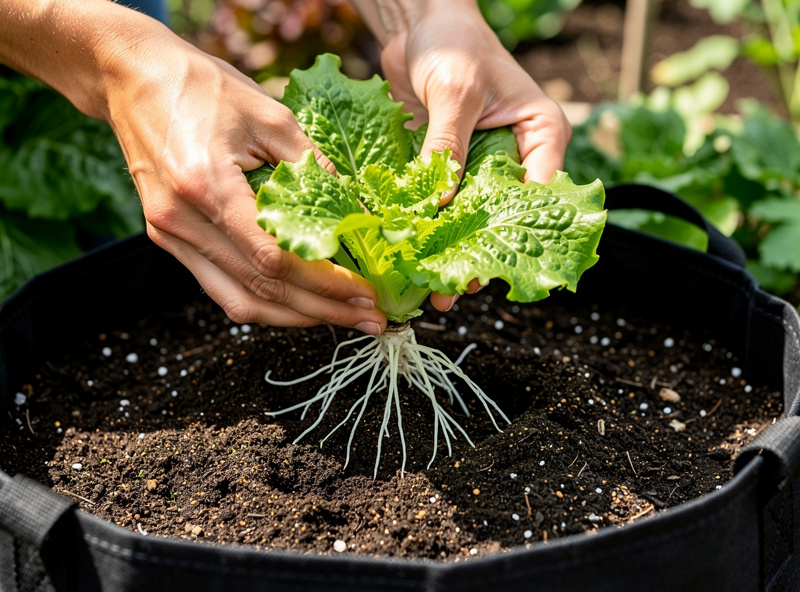
Day 7-10 (recovery). Expect 5-7 days of soft wilt in the afternoons. Mist the foliage twice daily, shade from direct sun for the first 4 days, and resist the urge to over-water. The soil should be moist 1 inch down — anything wetter and you will rot the new roots before they have established.
Day 11-14 (establishment). Resume normal watering and apply a balanced organic fertilizer at half strength. By day 14 the plant should look like a vigorous soil plant; if it is still struggling, the issue is usually that the original hydro plant was too root-bound to recover. Compost it and use the bed for direct sowing instead.
Setting Up the Soil System for Long-Term Success
The first instinct most ex-hydro growers have is to bring the same precision mindset to soil — measure pH every day, check EC of the runoff, fertilize on a strict 7-day cycle. Don’t. Soil is a slower-moving system that punishes over-management. The two things that matter are the starting mix and the topdress rhythm.
Build the bed once with high-quality compost (the chicken-manure-based composts widely sold in feed stores are excellent if aged 6+ months) and a slow-release organic fertilizer. Then top-dress with a 1 inch layer of fresh compost twice per season. That is it. The full method, including the carbon-to-nitrogen ratio that determines whether the bed is feeding plants or starving them, is laid out in my CityRooted soil and compost guide — it is the most thorough soil-building reference I’ve found and it pairs cleanly with the transition protocol above.
For the second growing season, rotate crops on a four-bed cycle (legumes → leafy greens → fruiting → roots) to keep nutrient demand balanced and soil-borne disease low — the same heavy-feeder-then-light-feeder-then-nitrogen-fixer logic Cornell Small Farms lays out for planning a rotation by crop family.
When NOT to Switch Back to Soil
The decision goes the other way for these scenarios. If you live in a climate where outdoor growing is impossible for 6+ months a year and you do not have a soil-friendly indoor space, hydro is still the higher-yield choice. If you are growing high-value microgreens or herbs commercially, the per-square-foot economics favour vertical hydro. If your hydro problems trace to a single fixable issue (a failing pump, an uncalibrated EC meter), fix the issue rather than abandoning the system.
The honest answer is that most household growers do best with a mixed setup: a small year-round indoor hydro system for greens and herbs (which justifies its electricity cost on out-of-season production), plus an outdoor soil bed for the bulk-volume summer crops. The two systems together typically produce more than either alone.
Frequently Asked Questions
How do I know it is time to switch from hydroponics back to soil?
When you see three or more of these over 30 days: repeated root rot under proper protocols, electricity above 30 percent of harvest value, water use higher than soil equivalent, drifting interest toward root or vining crops, weekly maintenance you can no longer keep up with, or available outdoor space that would outproduce the hydro system.
Will my hydroponic plants survive being moved to soil?
With a 14-day transition protocol, mortality stays below 10 percent. Without one, expect 30 to 50 percent loss. The key steps are reducing reservoir level for 4 to 6 hours per day before transplant, moving at dusk, and watering in with quarter-strength feed rather than plain water or full nutrients.
What soil mix works best for ex-hydro plants?
A well-draining mix that leans on drainage and aeration rather than compost volume, since roots coming off a saturated system need oxygen more than a nutrient load on day one. I build mine close to two parts compost, two parts peat moss or coir, one part perlite or vermiculite, pre-wet before use. Soak the bed to field capacity 24 hours before transplant so the roots find moisture without sitting in standing water.
Is going back to soil a step backward?
No. Soil has documented advantages for root vegetables, vining crops, and bulk volume summer harvests. The right question is not soil versus hydro but which system fits your space, climate, and time budget for the next 12 months.
Can I keep my hydro system running while transitioning some plants to soil?
Yes, and it is actually the smartest setup for most growers. Run a small year-round hydro for greens and herbs that justify the electricity, plus an outdoor soil bed for summer bulk crops. Total productivity beats either single system.
What is the most common reason hydro growers switch to soil?
Persistent root rot that resists every standard fix, followed closely by maintenance time outpacing schedule. Both are signals that the system is fighting your biology or your life rather than supporting either.