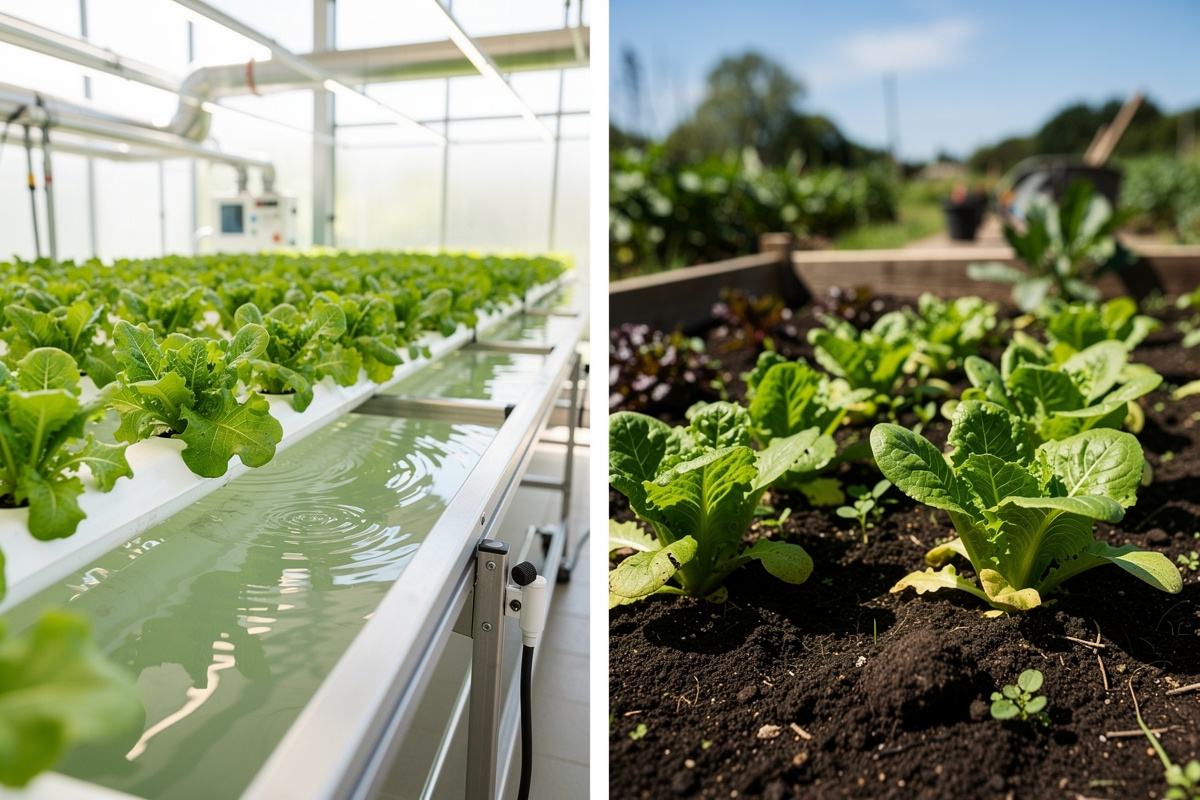
Should you grow in hydroponics or stick with traditional soil? Research comparing the two methods has measured hydroponic plants reaching harvest 30-50% faster and using up to 90% less water than soil-grown equivalents, but initial setup costs run 2-3x higher. This question sparks endless debates among gardeners, with passionate advocates on both sides claiming their method is superior. In my own space I run both — hydro buckets for the crops where speed and water efficiency matter most, soil beds outdoors for everything else — and the honest answer is that neither one wins outright.
This guide provides an honest, balanced comparison of hydroponics versus soil growing. You will learn the real advantages and disadvantages of each method, see how they compare across important factors, and get clear guidance on which approach fits your specific situation best.
No method is universally better. The right choice depends on your goals, space, budget, and how you want to spend your gardening time.
As an Amazon Associate I earn from qualifying purchases.
Quick Answer: Which Is Better?
Before diving into details, here is the short answer for those who want guidance immediately:
Choose hydroponics if: You want faster growth, higher yields per square foot, year-round indoor growing capability, precise control over plant nutrition, or you have limited outdoor space.
Choose soil if: You want lower startup costs, a more forgiving learning curve, the ability to grow without electricity, a natural ecosystem approach, or you are growing root vegetables and large fruiting plants outdoors.
Choose both if: You have space and budget for multiple growing methods. Many experienced gardeners use hydroponics for fast-growing greens and herbs indoors while maintaining outdoor soil gardens for tomatoes, squash, and other large plants.
Now let us explore the detailed comparison.
Hydroponics Advantages
Hydroponic growing offers several significant advantages over traditional soil cultivation. These benefits explain why commercial greenhouses increasingly adopt hydroponic methods and why home growers are embracing soilless cultivation.
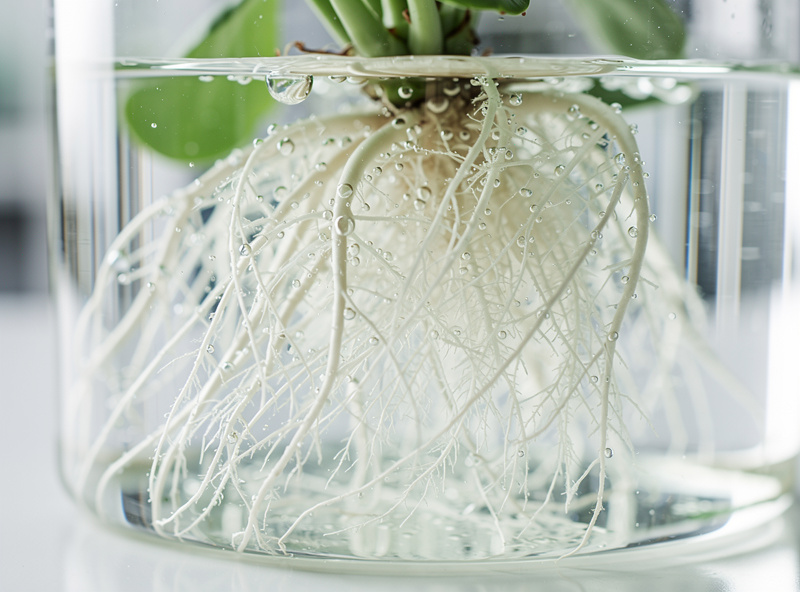
Faster Growth (30-50% Faster)
Plants grown hydroponically typically reach maturity 30-50 percent faster than identical plants grown in soil. This is not marketing hype—it is consistently observed across different plant types and growing conditions.
The speed advantage comes from optimized nutrition delivery. In soil, roots must search for nutrients, expending energy growing through soil particles to find food and water. In hydroponics, nutrients are dissolved directly in water and delivered straight to the roots. Plants spend less energy searching and more energy growing leaves, stems, and fruit.
Lettuce that takes 60 days in soil often matures in 30-40 days hydroponically. This faster turnaround means more harvests per year from the same space and quicker feedback on your growing techniques.
Higher Yields Per Square Foot
Hydroponic systems produce significantly more food per square foot than soil gardens. Commercial growers and comparative studies report yield increases in the 20 to 50 percent range compared to soil cultivation of the same crops, with leafy greens like lettuce showing the largest gains when vertical stacking is factored in. Some commercial operations report even higher gains with optimized systems.
Several factors contribute to higher yields. Faster growth cycles mean more harvests annually. Plants can be spaced closer together since roots do not compete for soil nutrients. Vertical growing systems multiply usable growing area. Precise nutrition prevents the deficiencies that limit yields in soil.
For urban growers with limited space, this yield advantage makes hydroponics particularly attractive. A small hydroponic setup in a spare room can produce more food than a much larger outdoor garden.
Dramatically Less Water Usage
Hydroponic systems use up to 90 percent less water than traditional soil gardening. This sounds counterintuitive since plants literally grow in water, but the numbers are accurate and well-documented.
In soil, most irrigation water never reaches plant roots. It evaporates from the soil surface, drains below the root zone, runs off, or is absorbed by surrounding soil. In recirculating hydroponic systems, water that plants do not immediately absorb returns to the reservoir for reuse. Very little is lost except through plant transpiration, which is unavoidable in any growing method.
This water efficiency matters increasingly as droughts become more common and water costs rise. Commercial hydroponic operations cite water savings as a primary reason for adopting soilless cultivation.
No Weeding Required
Weeds need soil to germinate and grow. No soil means no weeds—ever. This eliminates one of the most time-consuming and frustrating aspects of traditional gardening.
Soil gardeners spend countless hours pulling weeds that compete with crops for water, nutrients, and light. Hydroponic gardeners spend zero time weeding because weeds simply cannot establish in soilless systems. That time goes toward other aspects of plant care or simply enjoying the hobby.
Year-Round Growing Indoors
Hydroponic systems work perfectly indoors under grow lights, enabling year-round production regardless of outdoor weather. While soil can technically be brought indoors, hydroponic systems are specifically designed for indoor operation and perform far better in that environment.
Growing fresh vegetables in January when snow covers the ground feels almost magical. No seasonal limitations, no weather damage, no shortened growing seasons. You control the environment completely, creating perpetual summer for your plants whenever you choose.
No Soil-Borne Diseases
Soil harbors fungi, bacteria, nematodes, and other pathogens that attack plant roots and cause disease. Many frustrating plant losses in soil gardens trace back to soil-borne problems that are difficult or impossible to eliminate once established.
Hydroponic systems eliminate soil-borne diseases entirely by eliminating soil. Clean water and sterile growing media do not harbor the pathogens that plague soil gardens. While hydroponic systems can develop their own disease issues, they are generally easier to prevent, identify, and treat than soil-borne problems.
Precise Nutrient Control
In hydroponics, you control exactly which nutrients plants receive and in what quantities. You can adjust nutrition based on plant type, growth stage, and observed plant health. This precision enables optimization impossible in soil.
Soil nutrition is inherently variable and harder to control. Nutrients bind to soil particles, interact with soil organisms, and become available at rates you cannot precisely manage. Deficiencies and toxicities in soil are harder to diagnose and slower to correct than in hydroponic systems.
Hydroponics Disadvantages
Honest evaluation requires acknowledging drawbacks alongside benefits. Hydroponics has real disadvantages that matter for many growers.
Higher Initial Investment
Starting a hydroponic system costs more than starting a soil garden. Even a basic DWC bucket system requires a container, air pump, growing medium, nutrients, and pH testing equipment. More sophisticated systems cost proportionally more.
A minimal hydroponic setup runs 50-100 dollars. A comparable soil garden might need only seeds, a container, and potting soil for 20-30 dollars. The cost gap widens with larger systems.
However, ongoing costs often favor hydroponics. Nutrients are inexpensive per use, and higher yields mean lower cost per vegetable harvested. Many growers recoup initial investment within a year through reduced grocery spending.
Steeper Learning Curve
Hydroponics involves concepts unfamiliar to most new gardeners. Understanding pH, electrical conductivity, nutrient ratios, dissolved oxygen, and system design takes time and study. Soil gardening, while having its own complexities, feels more intuitive to beginners.
Mistakes in hydroponics can kill plants faster than mistakes in soil. The buffer that soil provides between plants and problems does not exist in water. New hydroponic growers must learn quickly or lose plants while learning.
This learning curve is manageable—thousands of beginners master hydroponics every year—but it is real and should be expected. Budget time for learning alongside time for growing.
Requires Electricity
Most hydroponic systems require electricity for air pumps, water pumps, and grow lights. Power outages can damage or kill plants depending on system type and outage duration. DWC plants can suffocate within hours without air pumps running.
Soil gardens require no electricity. Plants access oxygen through soil air pockets and water through natural rainfall or manual watering. This independence from electrical infrastructure makes soil more resilient to power disruptions.
Some hydroponic methods like Kratky reduce electrical dependence, but most productive systems need reliable power to function safely.
System Failures Can Be Catastrophic
When hydroponic equipment fails, plants suffer quickly. A malfunctioning air pump in a DWC system leads to root death within 24-48 hours. A clogged pump in an NFT system dries out roots within hours. Timer failures can leave plants in darkness or constant light, both harmful.
Soil provides a buffer against system failures. If you forget to water for a few days, most soil plants survive. The soil holds moisture and nutrients that sustain plants through temporary neglect. Hydroponic plants have no such buffer.
Reliable equipment and backup components reduce this risk, but it never disappears entirely. Hydroponic growing requires more vigilance than soil growing.
Limited Plant Selection
While many plants thrive hydroponically, some are poorly suited to soilless cultivation. Root vegetables like carrots, potatoes, and beets are difficult to grow hydroponically without specialized deep systems. Large vining plants like pumpkins and watermelons need space and support structures that complicate indoor hydroponic setups.
Soil accommodates virtually any plant you want to grow without special considerations. The flexibility of soil suits gardeners who want to experiment with diverse crops without adapting systems for each one.
Soil Advantages
Traditional soil growing remains popular for good reasons. These advantages keep soil gardens relevant even as hydroponic technology advances.
Lower Startup Cost
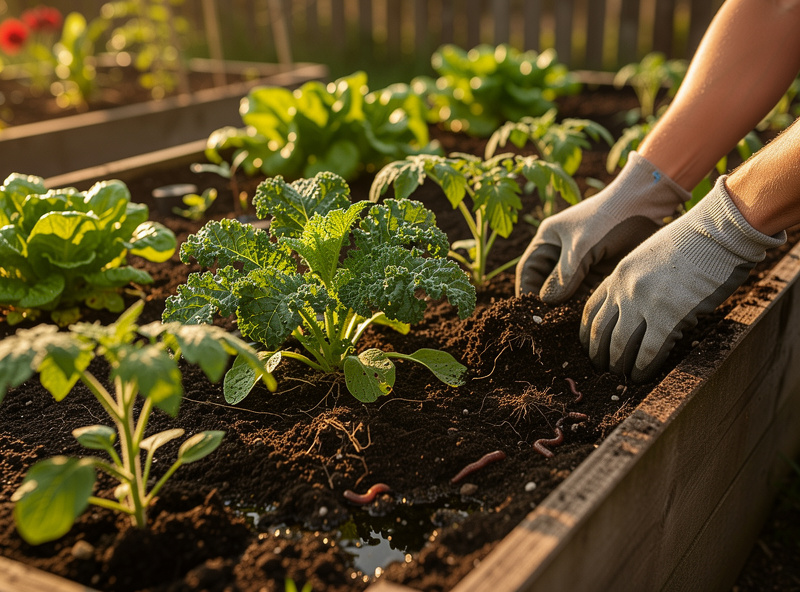
Starting a soil garden requires minimal investment. Seeds, a container with drainage holes, and quality potting soil get you growing for under 20 dollars. Outdoor in-ground gardens need even less—just seeds and amendments for existing soil.
This low barrier to entry makes soil gardening accessible to virtually everyone. No specialized equipment purchases, no electrical requirements, no technical knowledge needed before planting your first seeds.
More Forgiving of Mistakes
Soil acts as a buffer between your actions and plant roots. Miss a watering? Soil holds residual moisture that sustains plants for days. Add too much fertilizer? Soil binds excess nutrients, reducing immediate damage. Neglect pH for weeks? Soil chemistry adjusts gradually rather than swinging rapidly.
This forgiveness makes soil ideal for beginners, busy people, and anyone who cannot monitor plants daily. The margin for error in soil is substantially wider than in hydroponics.
Natural Ecosystem
Healthy soil teems with life—bacteria, fungi, protozoa, nematodes, and countless other organisms. This soil ecosystem breaks down organic matter, cycles nutrients, suppresses disease, and supports plant health in ways we do not fully understand.
Some gardeners prefer participating in this natural system rather than replacing it with synthetic nutrient solutions. The philosophy of working with nature rather than engineering around it appeals to many growers on principle.
Works Without Electricity
Soil gardens function with no electrical input whatsoever. Sunlight provides energy for photosynthesis. Rain provides water in many climates. Soil provides nutrients through natural cycling. This independence means soil gardens survive power outages, grid failures, and infrastructure breakdowns that would devastate hydroponic operations.
For preppers, off-grid homesteaders, and anyone concerned about infrastructure reliability, soil gardening offers security that hydroponic systems cannot match.
Familiar to Most Gardeners
Most people have some experience with soil, even if just houseplants or childhood gardens. The concepts feel natural and intuitive. Dig hole, insert plant, add water, watch it grow. This familiarity reduces learning time and anxiety for new gardeners.
Hydroponics feels strange and technical to many people. The unfamiliarity creates hesitation that prevents some would-be gardeners from starting at all. If that describes you, starting with soil builds confidence before transitioning to hydroponics later.
Soil Disadvantages
Soil gardening has genuine drawbacks that hydroponics addresses effectively.
Slower Growth
Plants grow slower in soil than in hydroponics under otherwise comparable conditions. Roots expend energy searching through soil for water and nutrients rather than focusing entirely on above-ground growth. This slower pace means fewer harvests per year and longer waits for results.
Pest and Disease Issues
Soil harbors pests and pathogens that attack plants from below. Fungal diseases, bacterial infections, root-eating insects, and nematodes all live in soil and can devastate crops without warning. Managing these problems requires knowledge, intervention, and sometimes chemical treatments.
Additionally, soil gardens attract above-ground pests more readily than indoor hydroponic setups. Insects, rodents, deer, and birds all threaten outdoor soil gardens in ways they cannot threaten indoor growing systems.
More Water Required
Soil gardens consume far more water than hydroponic systems growing equivalent crops. Evaporation from soil surfaces, drainage below root zones, runoff during heavy rain, and absorption by non-crop areas all waste water that plants never use.
In drought conditions or water-restricted areas, this inefficiency becomes a serious limitation. Hydroponic systems produce more food per gallon of water used, making them more sustainable where water is scarce or expensive.
Seasonal Limitations
Outdoor soil gardens are subject to seasons. Cold winters halt production for months in northern climates. Short growing seasons limit what crops can mature before frost. Excessive summer heat stresses cool-season crops. Weather events—droughts, floods, hail, early freezes—can destroy entire harvests without warning.
While season extension techniques help, outdoor soil gardens fundamentally depend on cooperative weather. Indoor hydroponic systems escape these limitations entirely.
Space Requirements
Soil gardens need substantial horizontal space to produce meaningful harvests. Plants must be spaced far enough apart that roots do not compete excessively for soil resources. This spreading requirement limits production in small spaces.
Hydroponic systems, especially vertical designs, produce more food per square foot of floor space. Urban growers with limited area often find hydroponics more practical despite higher initial costs.
Side-by-Side Comparison
This table summarizes how hydroponics and soil compare across key factors:
| Factor | Hydroponics | Soil | Winner |
|---|---|---|---|
| Startup Cost | Higher (50-300 dollars) | Lower (10-50 dollars) | Soil |
| Growth Speed | 30-50% faster | Baseline speed | Hydroponics |
| Yield Per Square Foot | Higher yields | Lower yields | Hydroponics |
| Water Usage | Up to 90% less | Much more water needed | Hydroponics |
| Learning Curve | Steeper | Gentler | Soil |
| Forgiveness | Less forgiving | More forgiving | Soil |
| Electricity Needed | Yes for most systems | No | Soil |
| Year-Round Growing | Easy indoors | Limited by seasons | Hydroponics |
| Weeding Required | None | Regular weeding | Hydroponics |
| Plant Selection | Some limitations | Grow almost anything | Soil |
| Pest Problems | Fewer issues indoors | More pest pressure | Hydroponics |
| Maintenance | Daily monitoring ideal | More flexible schedule | Soil |
Is Hydroponic Food Healthier?
This question comes up constantly, so let us address it directly with facts rather than marketing claims.
Nutritional content: Properly grown hydroponic produce is nutritionally equivalent to properly grown soil produce. Multiple studies comparing identical varieties grown in both methods show no consistent nutritional advantage for either approach. Some nutrients may be slightly higher in one method for certain crops, but differences are minor and inconsistent.
What actually affects nutrition: Harvest timing matters far more than growing method. A hydroponically grown tomato picked ripe and eaten immediately contains more nutrients than a soil-grown tomato picked green and shipped across the country. Freshness trumps growing method every time.
Pesticide considerations: Indoor hydroponic systems typically need fewer pesticides than outdoor soil gardens because they face fewer pest pressures. If minimizing pesticide exposure concerns you, indoor hydroponics offers advantages—though organic soil growing achieves similar goals.
The bottom line: Neither method produces inherently healthier food. Both produce excellent nutrition when done well. Choose based on other factors, not unsubstantiated health claims.
Which Should You Choose?
Based on the comprehensive comparison above, here are specific recommendations for different situations:
| Your Situation | Best Choice | Why |
|---|---|---|
| Want fastest harvests | Hydroponics | 30-50% faster growth, earlier yields |
| Lowest startup budget | Soil | $10-50 vs $50-300 for hydroponics |
| Limited indoor space | Hydroponics | Vertical systems maximize small areas |
| Beginner gardener | Soil | More forgiving of mistakes |
| Want year-round growing | Hydroponics | Indoor growing regardless of season |
| No electricity available | Soil | Kratky excepted, hydro needs power |
| Travel frequently | Soil | Tolerates 3-4 days without attention |
| Water-scarce region | Hydroponics | Uses 80-90% less water than soil |
| Growing root vegetables | Soil | Carrots, potatoes prefer soil depth |
| Tech enthusiast | Hydroponics | Precision control, data tracking |
| Only grow lettuce/herbs | Hydroponics | These crops excel in hydro systems |
Choose Hydroponics If…
- You want the fastest possible growth and highest yields
- You have limited outdoor space but room for indoor growing
- You want to grow year-round regardless of climate
- You enjoy technology and optimizing systems
- You primarily want leafy greens, herbs, and compact vegetables
- Water conservation matters in your area
- You can monitor plants at least daily
- You have reliable electricity
Choose Soil If…
- You want the lowest possible startup cost
- You prefer a forgiving system while learning
- You cannot monitor plants daily
- You want to grow root vegetables, large fruiting plants, or diverse crops
- You value working with natural ecosystems
- You need independence from electricity
- You have ample outdoor space and favorable climate
- Traditional gardening appeals to you philosophically
Consider Both Methods
Many experienced gardeners use both methods, allocating each to what it does best:
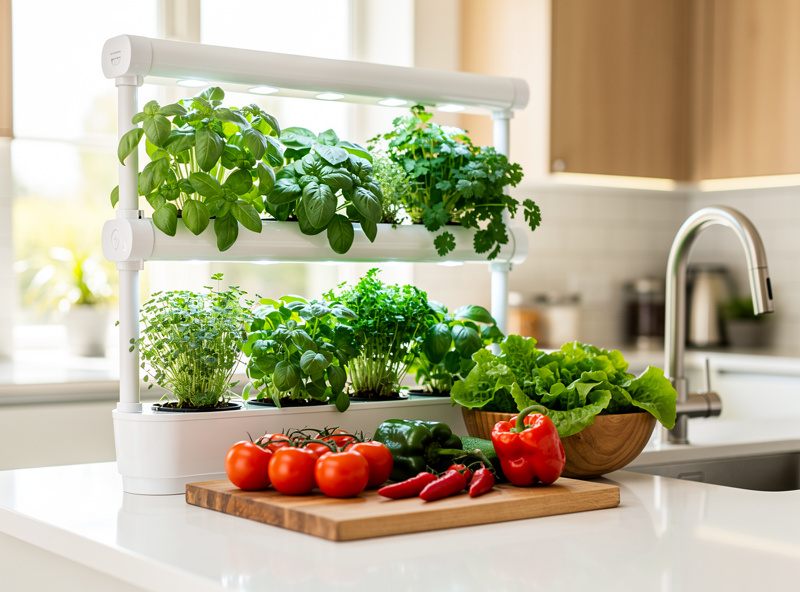
- Hydroponics indoors for lettuce, herbs, and greens year-round
- Soil outdoors for tomatoes, peppers, squash, and root vegetables in season
This hybrid approach captures advantages of both methods while minimizing weaknesses. You get fast indoor greens in winter and abundant outdoor harvests in summer — it’s exactly how my own setup is split, and it’s the arrangement I’d recommend to anyone with the space for both rather than treating it as an either-or decision. If you have space and interest, there is no reason to choose only one method. CityRooted covers the soil side of this equation with guides on best potting soil for vegetables and complete indoor container gardening for growers who prefer traditional methods.
Ready to Try Hydroponics?
If this comparison has you interested in hydroponic growing, here are your next steps:
- Learn the basics — Read our complete beginner guide to hydroponics
- Choose your system — See our guide to hydroponic system types
- Get the right equipment — a basic hydroponic starter kit covers the essentials; check our essential equipment guide for the full list
- Pick beginner-friendly plants — Read our best plants for beginners guide
- Build on a budget — Follow our DIY hydroponics guide to start cheap
Hydroponics and soil both produce excellent food when done thoughtfully. The best method is the one that fits your situation and gets you growing. Choose the approach that excites you most and start producing your own fresh food today.
Is hydroponics better than soil for growing vegetables?
Hydroponics produces 30-50% faster growth, 25-40% higher yields, and uses 90% less water than soil gardening. However, soil is more forgiving, requires no electricity, and many growers find soil-grown vegetables have more complex flavor. Hydroponics excels for leafy greens and herbs; soil excels for root vegetables and large outdoor crops.
Does hydroponic food taste different than soil-grown?
The taste difference depends on the crop and nutrient quality. Well-managed hydroponic tomatoes and herbs often taste more intense because nutrients are precisely controlled. However, soil contains complex microbial life and trace minerals that can add subtle flavor complexity. Most people cannot tell the difference in blind taste tests of lettuce and herbs.
Is hydroponics more expensive than soil gardening?
Startup costs are higher for hydroponics ($25-200 for a basic setup versus $10-30 for soil). However, hydroponics produces 30-50% more food per square foot and 4-6 harvest cycles per year versus 1-2 for outdoor soil. Over time, the yield advantage often offsets the higher initial investment.
Can you switch from soil to hydroponics easily?
Yes, the fundamentals of plant biology remain the same. pH management, nutrient needs, and light requirements apply to both methods. Many soil gardeners transition by starting with a simple DWC bucket alongside their soil garden, then gradually expanding hydroponic production as they gain confidence.
Which method uses less water?
Hydroponics uses up to 90% less water than soil gardening. In soil, most water evaporates or drains below the root zone. Hydroponic systems recirculate water continuously, with the only loss being plant transpiration. In drought-prone regions, this efficiency makes hydroponics the environmentally responsible choice.
Do hydroponic plants need pesticides?
Indoor hydroponic systems rarely need pesticides because they are isolated from outdoor pest populations. Soil gardens attract aphids, caterpillars, slugs, and other pests naturally. When pests do appear in hydroponics (usually fungus gnats or spider mites), they are easier to manage in a controlled indoor environment.
Related Articles
- Hydroponics for Beginners: Ultimate Guide — Complete getting started guide with step-by-step setup instructions
- Hydroponics for Beginners
- Hydroponic Systems Explained
- Best Plants for Hydroponic Growing
- Essential Hydroponic Equipment
- Hydroponic Lettuce vs Soil