The drape method is how I hold heavy hydroponic vines up indoors without a greenhouse frame: a single overhead bar, soft twine to every plant, clips to train the growing tip, and — the key move — lowering the whole string as the vine grows so the productive top stays at working height while the spent lower section drapes. It costs a few dollars per plant and holds far more weight than any tomato cage sold for soil.
I settled on this after years of watching cheap supports fail under real vine weight. A loaded cucumber or a fruiting squash is heavier than beginners expect, and when the support gives way it takes fruit, stems and sometimes the whole plant with it — I’ve cleaned up that collapse more than once, and it’s always at the worst moment, mid-harvest. What follows is the exact geometry, the clip spacing, and the parts I print myself, so your vines climb clean and you never come home to a heap of snapped stems on the floor.
What Is the Drape Method for Trellising Vines?
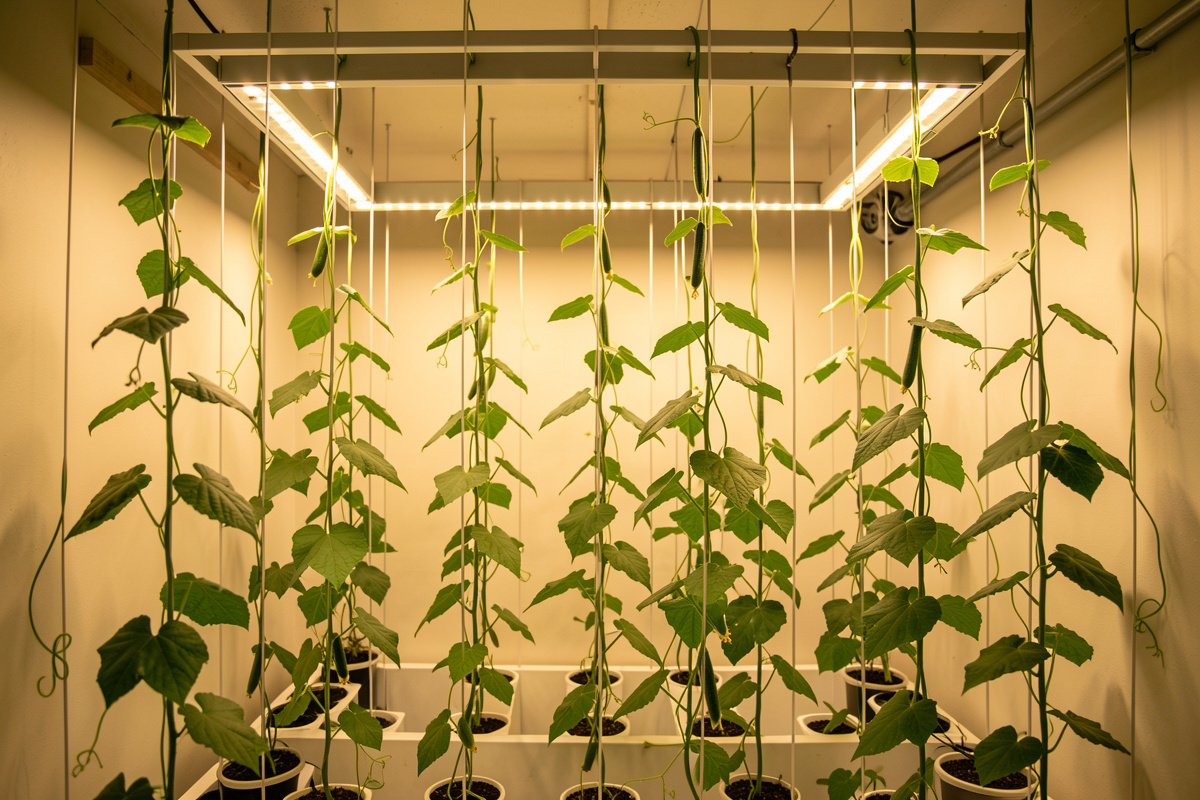
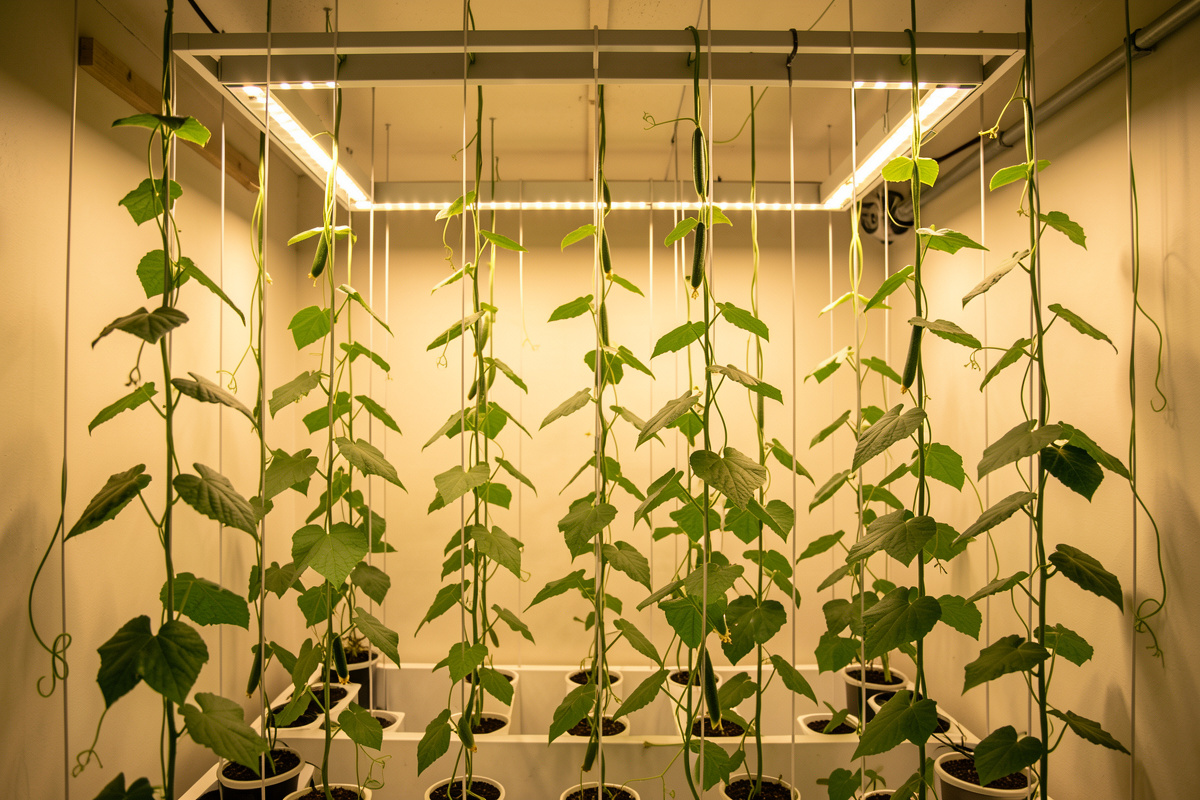
The drape method — commercial growers call it lower-and-lean — trains each vine up a single vertical string, then, when the plant reaches the top bar, you release slack and lower the whole plant so it leans sideways and the lower stem drapes along the floor or a low rail. The growing tip and fruit stay at a comfortable working height indefinitely.
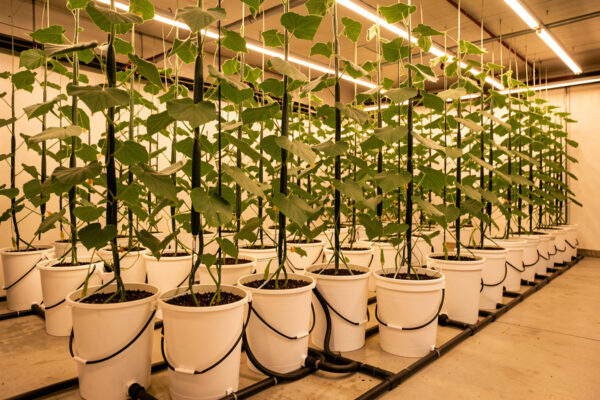
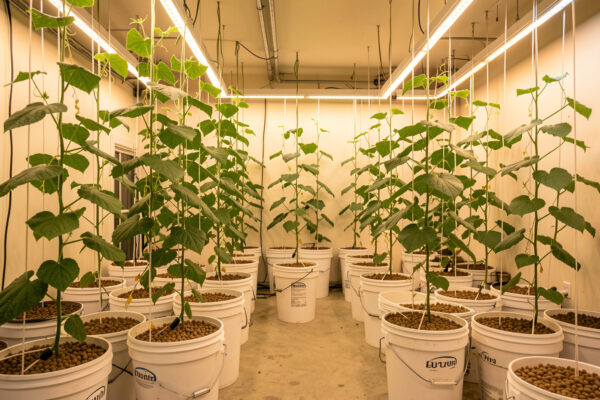
It solves the one problem every indoor vine grower hits: your plant wants to grow twelve feet and your ceiling is seven. Instead of topping the plant and killing its production, you keep feeding string. I anchor a horizontal bar roughly six to seven feet above each system, wind a generous length of twine onto a spool or hook at the bar for each plant, and drop the working end to the base. The vine climbs; when it nears the bar I unwind a foot or two of slack and gently walk the base of the plant sideways, so the whole thing lowers and the bottom — the old, harvested, leafless section — lies over. The result is a row of vines whose active tops all sit at the same height, marching slowly along the bar over a season. It’s the same technique the controlled-environment research programs at the University of Arizona CEAC describe for greenhouse cucumbers and tomatoes, just scaled to a spare room. The full system context is in the hydroponic vining crops guide.
How Do You Attach a Vine to the String?
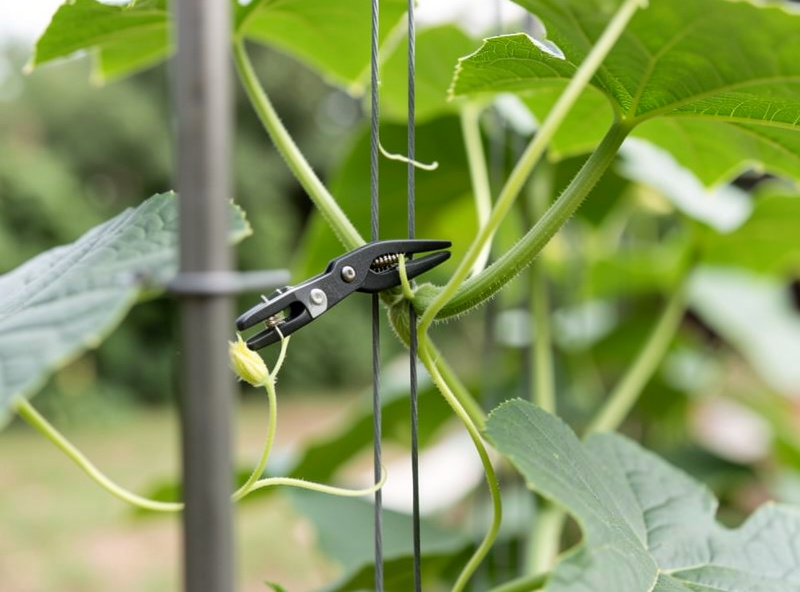
Attach the vine with soft plant clips every 10 to 12 inches, clipping the string to the stem just below a leaf node — never crushing the stem — and let the plant’s own tendrils do the rest. On a fast cucumber I add a clip every few days; the growing tip extends faster than you’d think.
Clip placement is where people go wrong. Clip too tightly and you strangle the stem as it thickens, girdling the plant and cutting off the flow it needs; clip too loosely and the weight of fruit peels the vine off the string. The soft-jaw clips are sized so they hold the string firmly but only rest against the stem — the stem grows into the loop, it isn’t clamped. I place each clip just below a node, because the node is the strong point and the leaf above it helps carry load. For cucumbers I also pinch out the tendrils and side shoots as I clip, keeping a single clean leader, which is both a trellising and a pruning decision. This is where my maker bench earns its place again: I print my own clips so I can tune the jaw to the exact stem diameter of each crop — a thin bean stem and a fat squash stem want different clips, and one printed batch covers both. The same 3D printer that prints these clips prints the reservoir lids on my Dutch bucket build.
How Do You Support Heavy Fruit Like Melons?
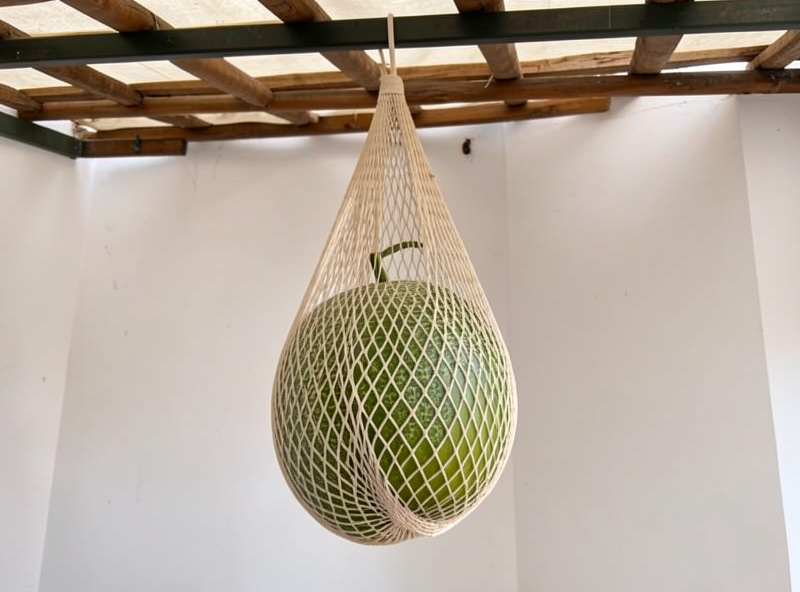
Support heavy fruit with an individual soft mesh sling tied to the overhead bar, cradling each melon or large squash so its weight hangs from the bar, not the stem. Without a sling, a sizing melon will simply tear itself off the vine under its own weight days before it ripens.
This is the detail that separates people who harvest melons indoors from people who watch them drop. A cantaloupe can put on serious weight in its final weeks, and the thin peduncle holding it to the vine was never engineered to carry that hanging load in still indoor air. I hang a soft net or fabric sling — the stretchy mesh sold for exactly this, or a tied square of old t-shirt in a pinch — under each fruit as soon as it’s set and sizing, and I clip the sling’s cords to the same overhead bar. The fruit rides in the hammock, the stem just connects it to the plant’s plumbing, and nothing tears. I learned this the hard way: my first indoor melon crop, I trusted the vine, and I found two nearly-ripe fruit on the floor with clean-torn stems one morning. The smell of a cracked, bruised melon that never made it is a particular kind of disappointment — sweet and wasted. Now every fruit over a certain size gets a sling the day I notice it swelling.
Which Trellis Method Should You Use?
For indoor hydroponic vines the vertical-string drape wins for tall indeterminate crops like cucumbers and melons; a simple stake or short cage suffices only for compact bush types. Here’s how the common options compare for real vine weight indoors.
| Method | Weight it holds | Ceiling flexibility | Best for | My take |
|---|---|---|---|---|
| Vertical string + drape | High | Excellent (lower as needed) | Cucumbers, melons, pole beans | My default for everything tall |
| Overhead bar + fruit slings | Very high (per fruit) | Excellent | Melons, large squash | Add on top of string for heavy fruit |
| Trellis netting panel | Medium | Poor (fixed height) | Bush beans, light vines | Fine for short crops, caps height |
| Tomato cage / stake | Low | Poor | Compact bush types only | Collapses under a real vine |
The through-line: match the support to the crop’s mature weight and habit, and always plan for more height than you think you need. The string-and-drape system is the only one on this list that doesn’t cap your plant’s productive life at the height of your ceiling.
How Do You Anchor the Overhead Bar Securely?
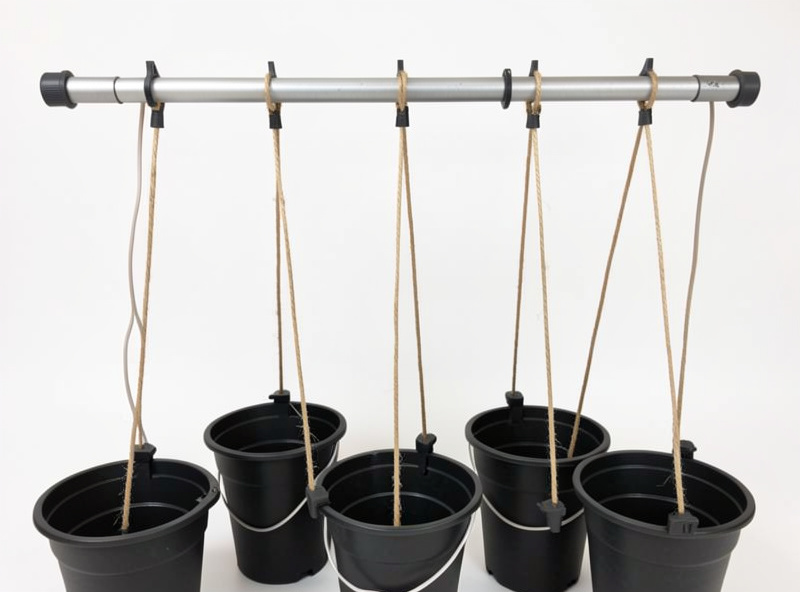
Anchor the bar to solid structure — a wall stud, a tent’s rated crossbar, or a freestanding frame — rated well above the total loaded weight of every plant it carries. A row of four fruiting cucumbers plus fruit can easily exceed the load a flimsy tension rod will hold.
People underestimate this because a seedling weighs nothing. But run the math forward: four mature vines heavy with fruit, plus the downward pull of every clip and sling, is a real static load, and it’s applied for months. In a grow tent I only ever hang from the frame’s rated crossbars and I check the manufacturer’s stated hanging capacity. In a spare room I mount a proper bar into studs, not drywall. My freestanding systems get a printed-and-bolted frame I built specifically so I never have to trust a rod. The failure I want you to avoid is the slow one: a bar that holds fine for weeks, then sags and finally lets go once the fruit load peaks — right when you’d lose the most. Over-build the anchor once and forget about it. Everything else in the drape method is gentle and forgiving; the anchor is the one part that has to be genuinely strong.
Should You Prune While You Trellis?
Yes — trellising and pruning are one job on an indoor vine. As you clip each new section of leader to the string, pinch out the side shoots, remove tendrils, and strip the lowest leaves once they yellow. An open, single-leader plant climbs cleanly, lights evenly, and stays far ahead of mildew.
The two tasks belong together because both are about controlling where the plant spends its energy and where air and light can reach. Every side shoot a cucumber throws is a fork in the road — left alone it becomes a second vine competing for the same string, tangling the trellis and shading the fruit. I run a single leader up the twine and pinch laterals at the node while they’re small and snap off clean between finger and thumb; wait too long and you’re cutting a woody stem and leaving a wound. Tendrils get removed too, because a cucumber’s tendrils will wrap the string, the clips, and each other into a knot that’s impossible to lower later. The lowest leaves, once they’ve yellowed and stopped earning their keep, come off to open the base for airflow — the same move that keeps powdery mildew off the crowded interior. Reach into a well-pruned, well-trellised plant and it should feel airy; if the inside feels like a warm damp towel, you’ve left too much on. That sensory check has saved me more crops than any spray.
What Trellising Mistakes Should You Avoid?
The big ones: under-building the anchor, clipping the stem too tight, forgetting fruit slings until a melon drops, and running out of string height with no drape plan. Each one has cost me plants, and each is trivial to avoid once you’ve seen it happen.
My worst was running out of vertical run. Early on I trellised cucumbers to a fixed bar with no slack spooled at the top, and when they hit the ceiling I had nowhere to go — I topped them, killed the growing tips, and production stopped weeks early. The whole point of the drape method is that you always keep extra twine wound at the bar so you can lower and lean indefinitely; a fixed-height panel traps you. The second mistake I see constantly is treating clips as clamps and girdling the stem — the plant swells, the clip bites, and the flow chokes above the pinch. Leave room. And never trust a vine to hold its own fruit; the sling goes on the day the melon starts to swell, not the day before you plan to harvest. Build the anchor strong, clip loose, sling early, and always keep string in reserve.
Frequently Asked Questions
How do you trellis hydroponic cucumbers indoors?
Run a single vertical string from an overhead bar to each plant, train the leader up with soft clips every 10 to 12 inches, and pinch side shoots to keep one clean stem. When the vine reaches the bar, lower the whole string so the top stays at working height and the spent lower section drapes.
What is the lower-and-lean or drape method?
It is the commercial technique of training a vine up a string, then releasing slack and leaning the plant sideways as it grows so the base drapes and the productive top stays reachable. It lets an indeterminate vine keep producing far past the height of your ceiling.
How do you support heavy melons on a hydroponic vine?
Cradle each fruit in an individual soft mesh sling tied to the overhead bar as soon as it starts sizing. The fruit’s weight then hangs from the bar rather than the thin stem, which would otherwise tear before the melon ripens.
How often should you add trellis clips to a growing vine?
On a fast crop like cucumber, add a clip every few days, roughly every 10 to 12 inches of new growth, placing each just below a leaf node. Clip the string to the stem loosely enough that the thickening stem is never girdled.
Do bush beans need a trellis in hydroponics?
Not much. Compact bush types stay short and self-supporting, so a stake or a low netting panel is plenty. Pole beans are the opposite and want a full vertical string like cucumbers, since they will climb several feet given the chance.
Further Reading
Now that the support is sorted, pick your system in the best system for vining crops, get the full overview in the vining crops guide, and build the plumbing in the Dutch bucket setup.
As an Amazon Associate I earn from qualifying purchases. The two supplies I restock every season: a pack of soft plant trellis clips and a roll of strong garden trellis twine.