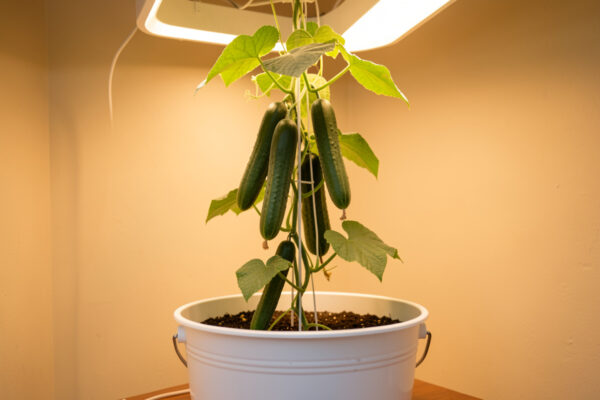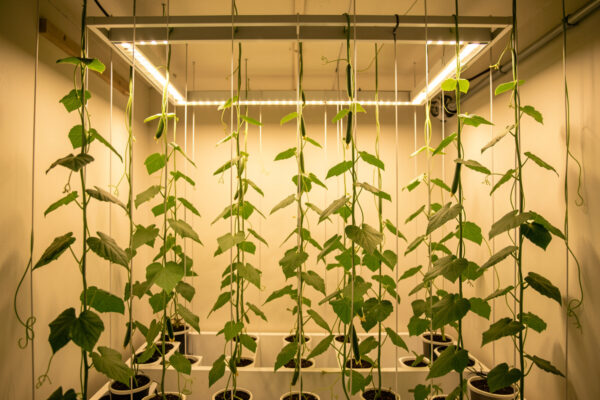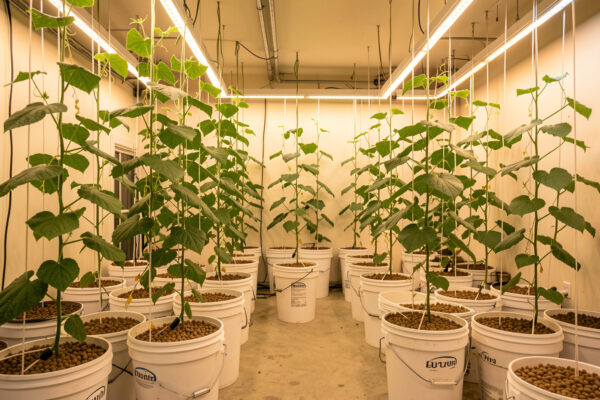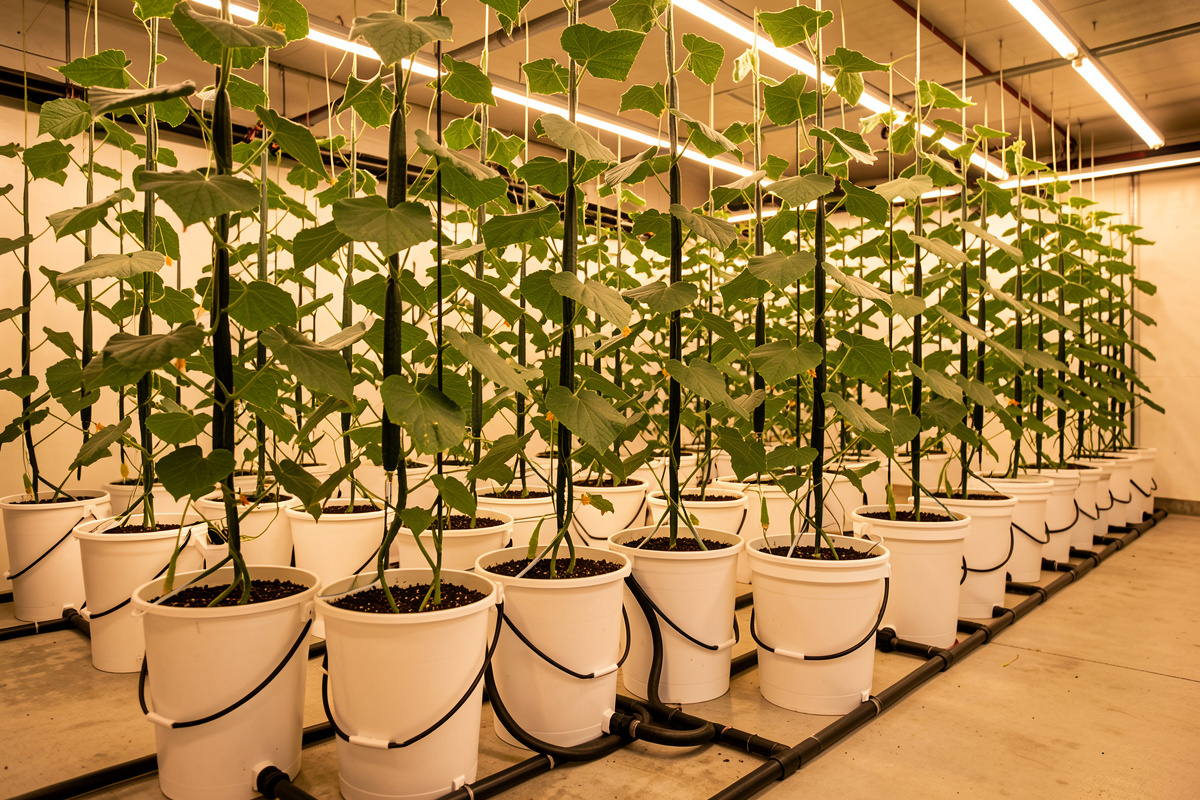
The best hydroponic system for heavy vining crops — cucumbers, squash, melons and pole beans — is the Dutch bucket, and it isn’t close. The large media volume buffers EC and temperature, a shared recirculating reservoir feeds plants that drink two liters a day, and the drip line keeps a huge root mass oxygenated. I’ve run all four hobby methods side by side, and this is the one I reach for without thinking.
That confidence is earned, not borrowed. Most channels that recommend a system have only ever run one, so their “best” is really just “the one I own.” On my bench I keep DWC, NFT, Kratky and ebb-and-flow going at the same time, on the same crops, logged with the same meters — and the moment a plant gets big and thirsty, the differences that don’t matter for lettuce become the difference between a crop and a dead vine. Here’s exactly why the Dutch bucket wins for the heavy stuff, where each alternative breaks, and the one case where I’d pick something else.
Why Do Dutch Buckets Win for Heavy Vining Crops?
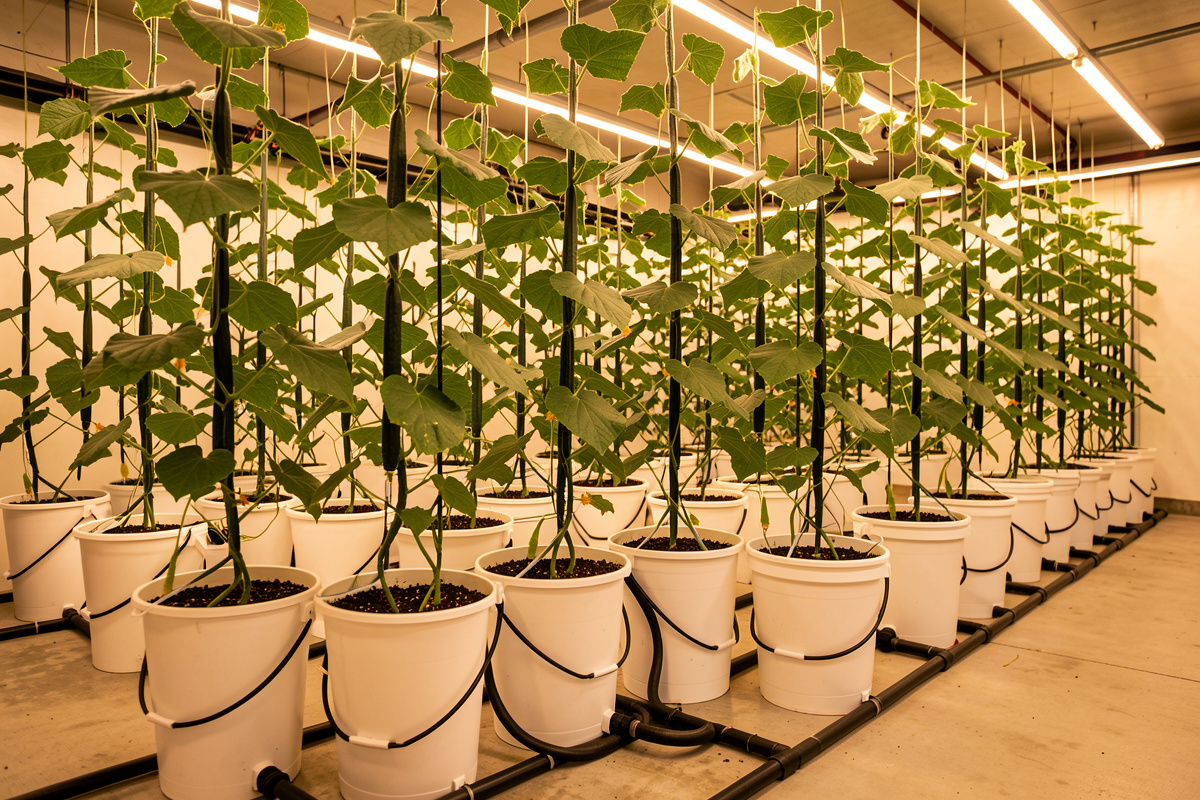
Dutch buckets win because they solve the three problems a heavy vine creates: thirst, salt drift, and oxygen demand. A large media-filled bucket on a shared recirculating reservoir holds enough solution to feed a two-liter-a-day cucumber, buffers the EC swings that plant causes, and drains fully between drip cycles so the roots breathe.
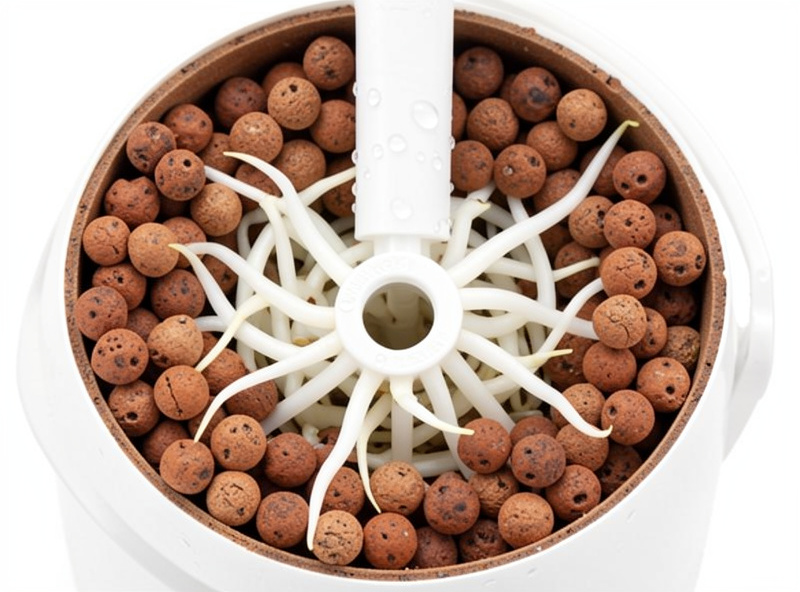
Think about what a mature cucumber actually does to its water. It transpires more than a liter on a warm day under bar lights, which drops the reservoir level and concentrates the remaining salts — your EC climbs even though you added nothing. In a small system that swing is violent; in a Dutch bucket sharing a generous reservoir with its neighbors, the same water loss is a small fraction of a big volume, so the chemistry stays calm. The media matters just as much. I run mine with hydroton clay pebbles, which hold almost no water themselves and leave enormous air space around the roots — the drip line delivers oxygen-rich solution, then the bucket drains through its siphon elbow and pulls fresh air down into the root zone. That drain-and-breathe cycle is why I’ve never suffocated a vine in a Dutch bucket the way I have in an undersized tote. The comparison of media choices sits in hydroton vs rockwool, and the wider system context in the hydroponic vining crops guide.
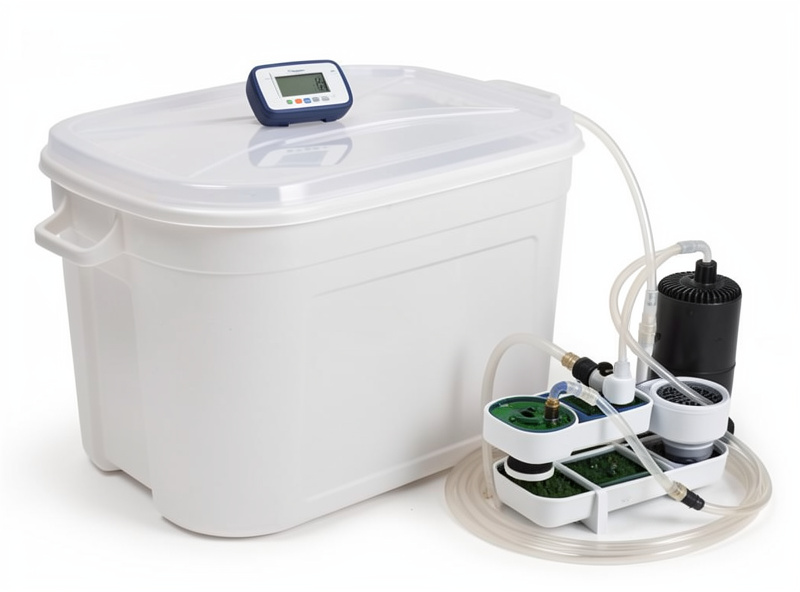
My own build uses a shared reservoir I sized deliberately large, a small inline circulation pump on a timer, and 3D-printed bucket lids and hose guides I made so the drip and drain lines seat exactly where I want them. That maker layer is half the reason my Dutch bucket rows are tidy instead of a spaghetti of kinked tubing — the store-bought fittings never quite fit, so I print the adapters. The dedicated Dutch bucket setup guide covers the plumbing in full.
How Do the Four Systems Compare for Vining Crops?
Ranked for heavy vining crops: Dutch bucket first, ebb-and-flow second, oversized DWC third, and NFT and Kratky last. The ranking tracks one thing above all — how well each system feeds and oxygenates a large, thirsty root mass without you babysitting it.
Here’s the head-to-head from running these crops across all four methods on my bench:
| System | Reservoir buffer | Oxygen to a big root mass | Handles a 2 L/day drinker? | Best for |
|---|---|---|---|---|
| Dutch bucket (drip) | High | High (drain-and-breathe) | Yes | Cucumbers, squash, melons |
| Ebb & flow (hydroton) | Medium-high | Very high (flood/drain gassing) | Yes | Beans, mixed fruiting |
| DWC (oversized tote) | Medium | High only with air 24/7 | Marginal | One big plant per tote |
| NFT channel | Low | Medium | No — root mass dams flow | Leafy greens, not vines |
| Kratky (passive) | Low | Falls as level drops | No | Teaching, light crops |
The numbers behind the verdicts: a Dutch bucket reservoir I might share across several plants can hold tens of liters, while a Kratky jar holds a couple — so the same daily liter of transpiration is a rounding error in one and a crisis in the other. That’s the whole story of the ranking in one sentence.
Can You Grow Vining Crops in DWC or NFT?
You can grow a vining crop in DWC if the tote is oversized and the air never stops, but NFT is a genuine mismatch — a mature vine’s root mass will physically dam the channel and starve everything downstream. DWC is workable with discipline; NFT fights you the whole way.
I’ve fruited cucumbers in DWC, and it works — but only when the tote is big enough that the water level barely moves in a day and the air stones run twenty-four hours without exception. The failure mode is brutal: warm water holds less dissolved oxygen, a big root mass demands more, and if the air pump quits on a summer afternoon you can lose the plant before evening. That’s a real risk I’ve lived, which is why I treat DWC for vining crops as a system for people who genuinely never skip a check. NFT is different — it’s simply the wrong tool. The thin film of solution that makes NFT elegant for lettuce can’t supply a fruiting vine, and the root mass grows so dense it blocks the channel, ponds the solution, and drowns the roots upstream while starving those below. Every time I’ve tried it the channel clogged within weeks. And Kratky, which I love for teaching beginners the fundamentals, is a non-starter here: the passive falling water line can’t keep pace with a plant that drinks faster than the level drops.
When Would I Pick Ebb and Flow Instead?
I pick ebb-and-flow over Dutch buckets when I want maximum root-zone oxygen — especially for beans and for a summer grow where reservoir warmth is a worry. The flood-and-drain cycle in a hydroton bed gasses the roots on every drain, which is the single best passive defense against root rot I run.
The mechanism is beautiful in its simplicity. An ebb-and-flow bed floods with solution on a timer, then drains completely back to the reservoir; as the water pulls out, it drags fresh air down through the clay pebbles and across the entire root mass. You get an oxygen refresh several times a day for free, no air stone required in the bed itself. For beans, which are lean feeders that hate wet feet, that rhythm suits them perfectly — I get better pod set in ebb-and-flow than in a constantly-drip-fed bucket. The trade-off is that a flood table has a smaller effective reservoir buffer than a big Dutch bucket manifold and demands a reliable timer and pump; a stuck flood is as dangerous as a stopped air pump. But for the crops and conditions where oxygen is the limiting factor, it edges out the bucket. On a hot bench week I’ll run my melons in Dutch buckets with a chilled res and my beans in the ebb-and-flow bed, and let each system do what it’s best at.
You can smell the difference a healthy root zone makes, by the way. Pull a plant from a well-run ebb-and-flow bed and the roots are bright white and smell faintly sweet and earthy, like clean rain on soil. Pull one from a warm, starved DWC and you get that sour, sulfurous whiff that tells you Pythium already won. I’ve smelled both more times than I’d like, and now that clean-rain smell is the check I trust before any meter.
What About Reservoir Temperature and Oxygen?
Whatever system you choose, reservoir temperature decides whether it succeeds. Keep the res at or below 68°F (20°C); treat anything over 72°F (22°C) as a danger zone, because warm water holds less oxygen and invites root rot. This single number matters more than the system you picked.
Every system on this list lives or dies on dissolved oxygen, and temperature is the lever. Cold water simply holds more oxygen than warm water — physics, not opinion — so a res that creeps up to bathwater temperature will starve roots no matter how clever your plumbing. In my Nordic setup the danger is summer, when the grow room warms and the reservoir follows. I run air stones continuously, keep reservoirs opaque so no algae takes hold, and on recirculating vine builds I add an inline UV sterilizer. My full defense — the beneficial Bacillus I dose every res change, the peroxide reset for when things have already gone wrong — is in how to prevent root rot. The controlled-environment groups at the University of Arizona CEAC and University of Florida IFAS both publish the same message about root-zone temperature and oxygen for greenhouse fruiting crops — it’s not a hobbyist superstition, it’s the core of the discipline.
How Many Plants Should Share One Reservoir?
Keep it conservative: I run roughly one heavy vining plant per 10 to 15 liters of active reservoir volume, and I’d rather over-provision than crowd. A shared Dutch bucket manifold feeding four cucumbers wants a reservoir measured in tens of liters, not a single bucket’s worth, so the daily transpiration of the whole row stays a small fraction of the total.
The reason to be generous is stability, and it compounds. Every plant you add to a reservoir adds daily water loss and daily nutrient uptake, so a small res shared among several thirsty vines swings harder and faster — you end up chasing EC and pH all day. A large shared reservoir smooths all of that into a slow, predictable drift you can correct at a leisurely res change. The other benefit is buffering against a single point of failure: if one plant develops root rot in a shared system, a big diluted volume with an inline UV sterilizer and a beneficial Bacillus dose gives you time to react, whereas a tiny res tips over fast. My rule of thumb, refined across seasons of logs, is that the reservoir should never drop more than about ten percent of its volume between daily top-offs — if it’s falling faster than that, the res is too small for the plants on it. Size up, and the whole system gets calmer. That calm is worth more than the shelf space it costs.
The Honest Bottom Line
If you’re setting up for heavy vining crops and want one answer: build Dutch buckets on a generous shared reservoir, fill them with rinsed clay pebbles, run a drip on a timer, and keep the water cool. That covers cucumbers, squash and melons with the least drama. Reach for ebb-and-flow when oxygen is your bottleneck or you’re growing beans. Skip NFT and Kratky for anything that fruits heavily — they’re brilliant tools aimed at a different job.
Once you’ve picked the system, the next decision is holding all that vine weight up — that’s trellising the drape method I use. And whatever you build, size the reservoir to the plant’s thirst, not your shelf. I’ve never regretted a reservoir that was too big.
Frequently Asked Questions
What is the best hydroponic system for cucumbers and melons?
Dutch buckets. The large media volume and shared recirculating reservoir buffer EC and temperature swings from a thirsty plant, while the drip line and drain-and-breathe cycle keep a big root mass oxygenated. It handles a two-liter-a-day drinker without babysitting.
Can you grow vining crops in NFT?
Not well. NFT delivers a thin film of solution suited to leafy greens, but a mature vine’s dense root mass dams the channel, ponds the solution upstream and starves plants downstream. Every attempt I have run clogged within weeks. Use Dutch buckets or ebb and flow instead.
Is DWC good for heavy vining crops?
It works only if the tote is oversized so the water level barely drops in a day and the air stones run 24/7. The risk is oxygen crash in warm water, which can kill a big plant in an afternoon if the air pump quits. It suits growers who never skip a check.
When should I use ebb and flow instead of Dutch buckets?
Choose ebb and flow when root-zone oxygen is your limiting factor, especially for beans or during warm summer grows. The flood-and-drain cycle gasses the roots several times a day, which is the best passive defense against root rot, though it needs a reliable timer and pump.
What reservoir temperature do vining crops need?
Keep the reservoir at or below 68°F (20°C) and treat anything above 72°F (22°C) as a danger zone. Warm water holds less dissolved oxygen and invites Pythium root rot. Run air stones continuously and cool the reservoir in summer regardless of which system you use.
Keep Building
Ready to go deeper? Start with the vining crops guide for the whole map, then the Dutch bucket setup and ebb-and-flow build. Dial the water chemistry with the reservoir guide, and protect it all with root rot prevention.