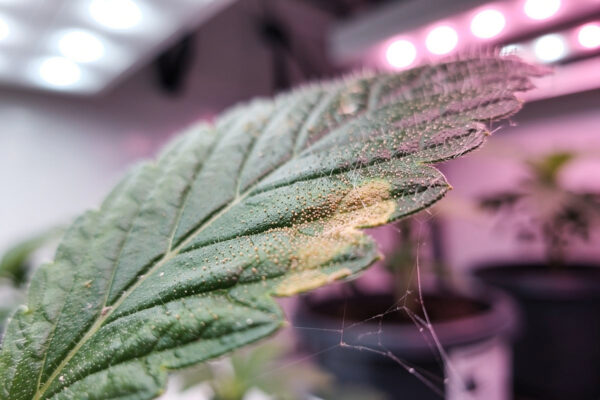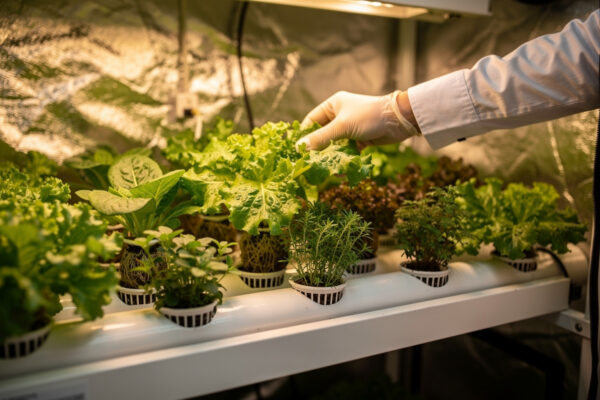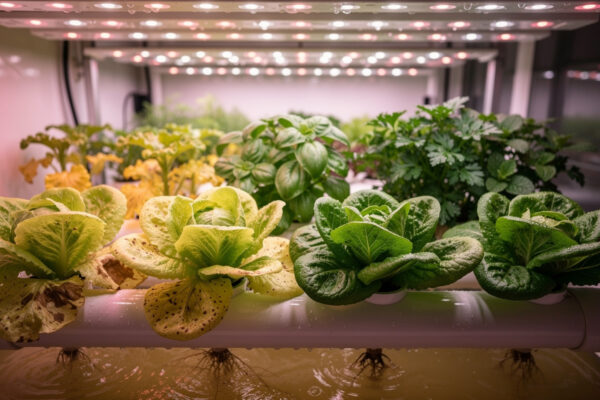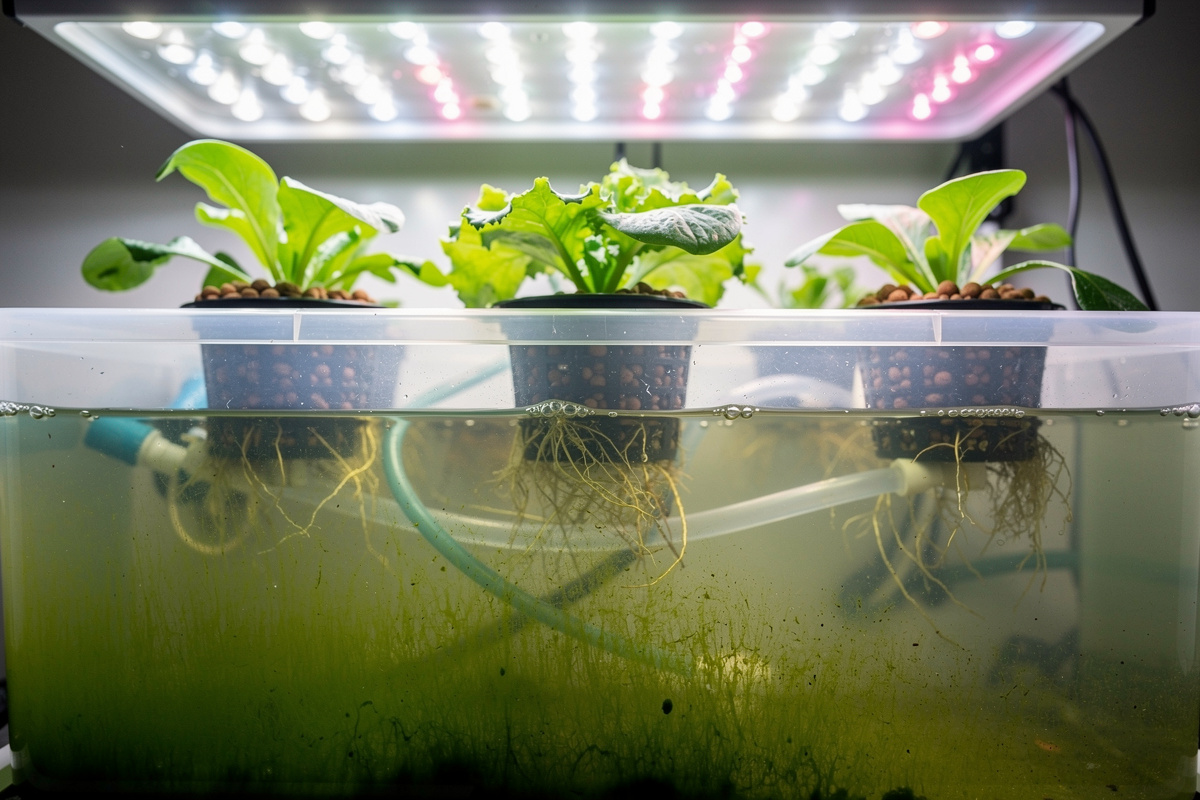
Algae in hydroponics is the green or brown slime that grows anywhere light reaches your nutrient solution. It looks alarming but rarely kills plants directly — the real harm is that it steals dissolved oxygen and nutrients, clogs pumps and air stones, and feeds fungus gnat larvae. The cure is almost embarrassingly simple: block the light, and it stops.
Of every problem new growers panic about, algae in hydroponics is the one I most want to talk down. After years running DWC, NFT, Kratky, and ebb-and-flow side by side, I’ve scraped a lot of green film off a lot of reservoir walls, and I’ve learned it’s a symptom of one thing only: light hitting water that’s full of plant food. Fix that and the slime never comes back. This guide covers exactly why it appears, how to clear an existing bloom, and the light-discipline habits that prevent it for good. For where algae sits among the other things that go wrong, see my complete hydroponic pests and diseases guide.
Disclosure: SmartHydroLab is reader-supported. As an Amazon Associate I earn from qualifying purchases made through links in this article, at no extra cost to you. I only point to gear I actually use or would buy for my own grow.
What Algae Is and Why It Appears
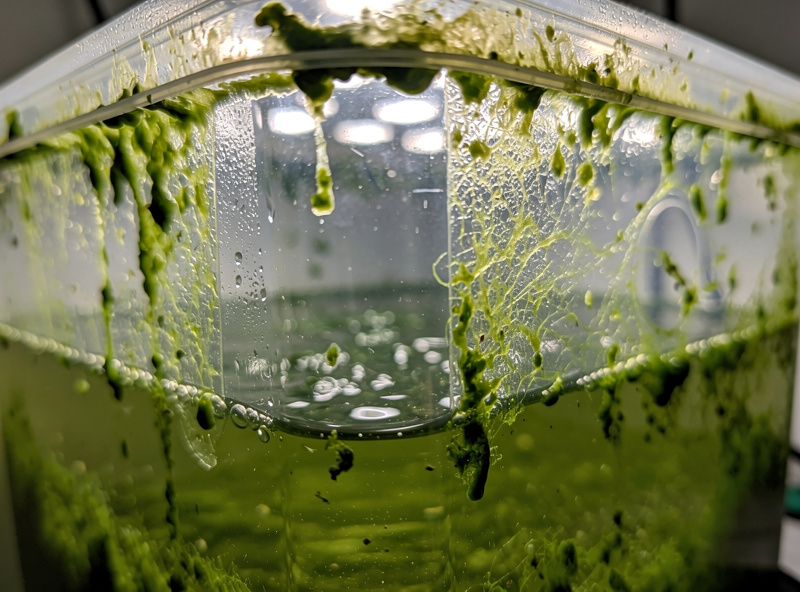
Algae is a simple photosynthetic organism, and like your plants it needs three things: light, water, and nutrients. A hydroponic reservoir hands it all three on a plate. The moment light reaches your nutrient-rich solution — through a clear tote wall, a gap around a net pot, a length of translucent tubing — algae spores that are everywhere in the air start to colonize and multiply. Warm water speeds it along.
That’s the entire mechanism, and it’s why the fix is so direct. Algae cannot grow in darkness no matter how rich the nutrient solution is. It shows up as a slippery green coating on res walls and lids, a brown or rust-colored film on the surface of growing media, or a cloudy tint in the water itself. It’s most aggressive in systems with exposed solution — clear containers, open channels, or net pots where light slips past the collar. Understand that it’s a light problem wearing a slime costume and you already know the solution.
Is Algae Actually Harmful to Plants?
Mostly no, but not entirely harmless. Algae doesn’t attack or infect your plants the way a pathogen does. The damage is indirect and cumulative. As algae grows and especially as it dies and decomposes, it consumes dissolved oxygen from the water — the same oxygen your roots depend on, and low oxygen is exactly what invites root rot. It also competes for nutrients, subtly shifting your solution’s balance, and a heavy bloom physically clogs air stones, pump intakes, and drip emitters.
The sneakiest harm is biological: a film of algae on damp media is prime breeding habitat for fungus gnats, whose larvae then wound your roots and open the door to Pythium root rot. So while a little algae won’t kill a healthy plant tomorrow, letting it run unchecked degrades oxygen levels and chains into the genuinely dangerous problems. It’s worth controlling — just not worth panicking over.
How to Get Rid of Existing Algae
Clearing a current algae bloom is a one-session job. At your next reservoir change, dump the solution, then physically scrub every affected surface — tote walls, lid, net pots, air stones, and pump — with a brush. For stubborn films, a hydrogen peroxide solution both cleans and sanitizes: household 3% hydrogen peroxide wiped or soaked onto the surfaces lifts algae and oxygenates as it breaks down. Rinse thoroughly before refilling.
In a larger recirculating system where you can’t easily scrub mid-grow, an inline UV sterilizer kills algae (and waterborne pathogens) circulating in the solution — though note it also degrades chelated micronutrients, so it’s a tool for big builds, not a single Kratky jar. The key thing to understand: scrubbing and sterilizing only treat today’s bloom. If you refill and light still reaches the solution, algae returns within a week. Cleaning without blocking light is mopping the floor with the tap running.
Preventing Algae: Block the Light
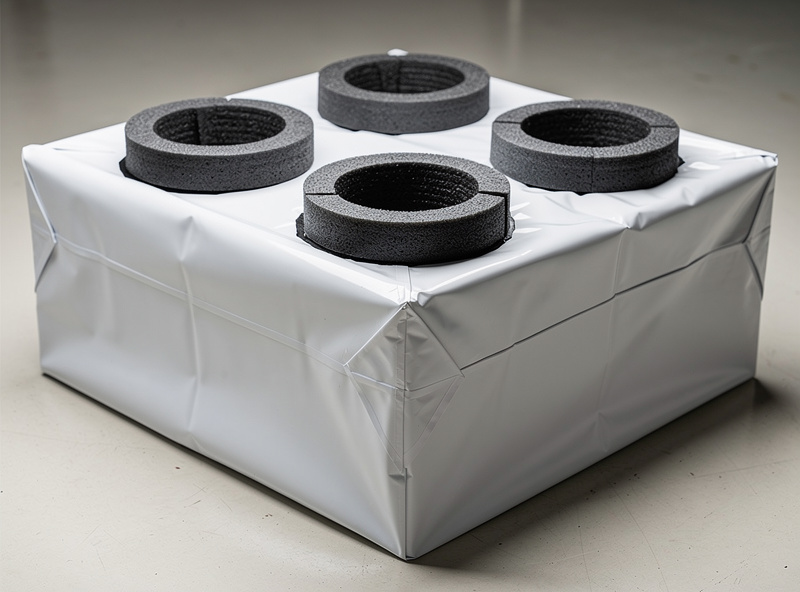
Prevention is the whole game, and it comes down to denying algae the light it needs. Run opaque reservoirs — if yours is a clear or translucent tote, wrap it in reflective blackout film (white side out to bounce light back at your canopy, black side in to kill it inside). Cover any clear or light-colored tubing. And close the gaps around net-pot collars, where light routinely sneaks into an otherwise dark reservoir — this is the spot people miss.
The net-pot gap is where my maker bench earns its keep: I print collar caps and reservoir-lid inserts that seal the opening around each plant, so the only light entering the system is what the stem itself lets through. You can improvise the same thing with dark foam, neoprene collars, or a scrap of blackout film cut to fit. Once light is genuinely blocked at every entry point, algae simply has nowhere to grow, and it stops being a recurring chore. Light discipline is a one-time setup cost that pays off every single grow after.
Algae Control Methods Compared
Here’s how the options stack up, separating the permanent prevention from the temporary cleanups so you spend effort where it actually pays off.
| Method | What It Does | Best Use | Key Caveat |
|---|---|---|---|
| Opaque or wrapped reservoir | Blocks light at the source | Permanent prevention, every system | Must also seal net-pot gaps |
| Net-pot collar caps | Closes the main light leak | DWC and any net-pot setup | Easy to overlook this gap |
| Cover clear tubing | Stops algae in lines and emitters | NFT and drip systems | Tape or sleeve every run |
| Hydrogen peroxide scrub | Cleans and sanitizes surfaces | Existing bloom at res change | Temporary if light not blocked |
| UV sterilizer | Kills algae circulating in water | Large recirculating builds | Degrades chelated micronutrients |
| Cooler water temperature | Slows algae and protects oxygen | Warm rooms, summer | Helps but won’t replace light blocking |
Algae Risk by System Type
Your choice of system shifts how exposed you are. Deep water culture totes hold a large body of solution and often use net pots set into a lid, so the collar gaps are the main light leak to seal. NFT channels run a thin film through long gutters that, if light-colored or translucent, become an algae racing stripe down the whole run — opaque channels matter here. Drip and ebb-and-flow systems expose damp media surfaces and clear tubing, both prime algae real estate.
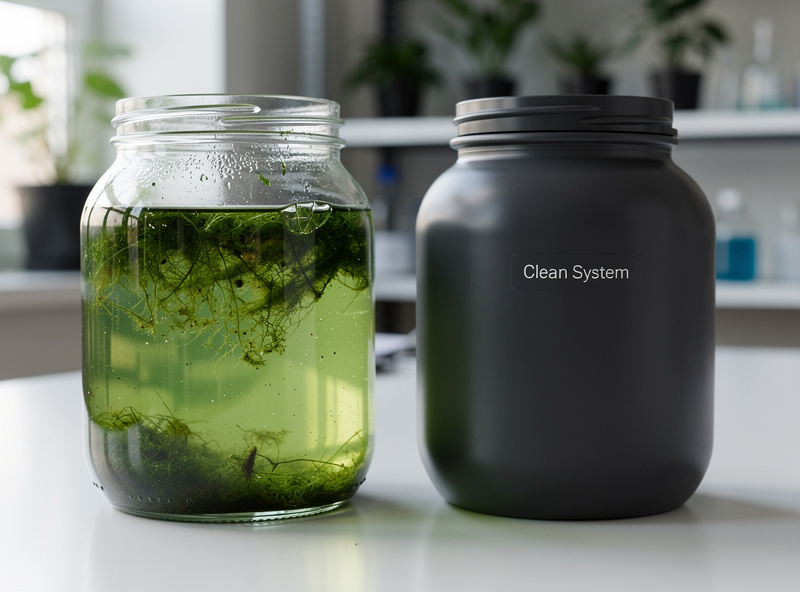
Kratky and other passive setups are interesting: they use a large air gap and a sealed container, so a properly opaque Kratky jar with a sealed lid is one of the most algae-resistant setups there is, while a clear mason jar in a sunny window is the worst. The principle never changes across systems — light reaching solution equals algae — but where the light sneaks in differs by build. My guide to hydroponic systems breaks down each method, and you’ll find algae prevention listed among the common hydroponic mistakes worth designing out from the start. Keep an eye on your EC too, since a heavy bloom subtly shifts solution strength.
Frequently Asked Questions
Is algae bad for hydroponic plants?
Algae rarely kills plants directly, but it steals dissolved oxygen and nutrients, clogs pumps and air stones, and breeds fungus gnats whose larvae wound roots. A little is harmless, but an unchecked bloom can chain into low oxygen and root rot.
How do I get rid of algae in my hydroponic system?
Dump the solution at your next reservoir change and scrub every surface, using 3% hydrogen peroxide to clean stubborn films. Then block all light from the solution, because if light still reaches the nutrients, algae returns within about a week.
What causes algae in hydroponics?
Algae needs light, water, and nutrients, and a hydroponic reservoir provides all three. It grows wherever light reaches the nutrient solution, through clear container walls, gaps around net pots, or translucent tubing. Warm water speeds its growth further.
Will hydrogen peroxide kill algae in hydroponics?
Yes. Household 3% hydrogen peroxide kills algae and sanitizes surfaces as it breaks down into oxygen. Use it to clean during a reservoir change. But it only treats the current bloom, so you must block light to stop algae returning.
Does algae lower oxygen in a hydroponic reservoir?
Yes. Living algae competes for dissolved oxygen, and dying algae consumes even more as it decomposes. Low oxygen stresses roots and invites Pythium root rot, which is the main indirect danger of letting an algae bloom run unchecked.
How do I stop algae growing around my net pots?
Seal the gap between the net pot and the lid where light leaks into the reservoir. Use collar caps, dark foam, neoprene collars, or a cut piece of blackout film. This overlooked gap is the most common light leak in a DWC system.