Run a finger around the inside of a reservoir that has not been cleaned in a few weeks and you will feel it — a slick, slightly slimy coating. That is biofilm, and it is where most hydroponic disease quietly begins. I treat reservoir cleaning the way I treat a sourdough starter: clean process beats fancy ingredients every time. A spotless tank is the cheapest disease prevention in hydroponics, and it is the one chore people skip until something goes brown and slimy.
On my bench, every full water change is also a cleaning session. This guide walks through exactly how I scrub, sanitize, and rinse a reservoir, what to use, how to handle the air stones and tubing that quietly harbor gunk, and how to keep a clean tank clean between deep cleans.
How Often Should You Clean a Hydroponic Reservoir?
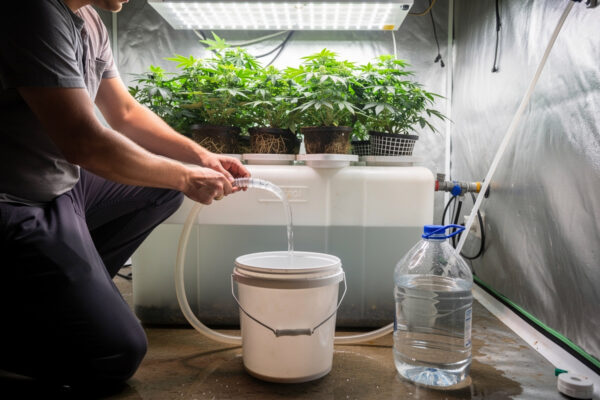
Do a full clean and sterilize at every complete water change — typically every one to two weeks. Between changes, wipe down the lid and check for biofilm. A deeper sterilization is warranted between crops, after any disease outbreak, and any time the water has gone slimy or developed a sour smell.
The rhythm is simple: when you dump the tank for a water change, you clean it before refilling. There is no point pouring fresh nutrient solution into a tank lined with biofilm — you are inoculating clean water with the exact pathogens you just tried to flush. Between crops I go further with a full sterilization, because that is when accumulated buildup and any lingering disease get a clean reset. A tank that smells sour or feels slimy has gone past due, no matter what the calendar says.
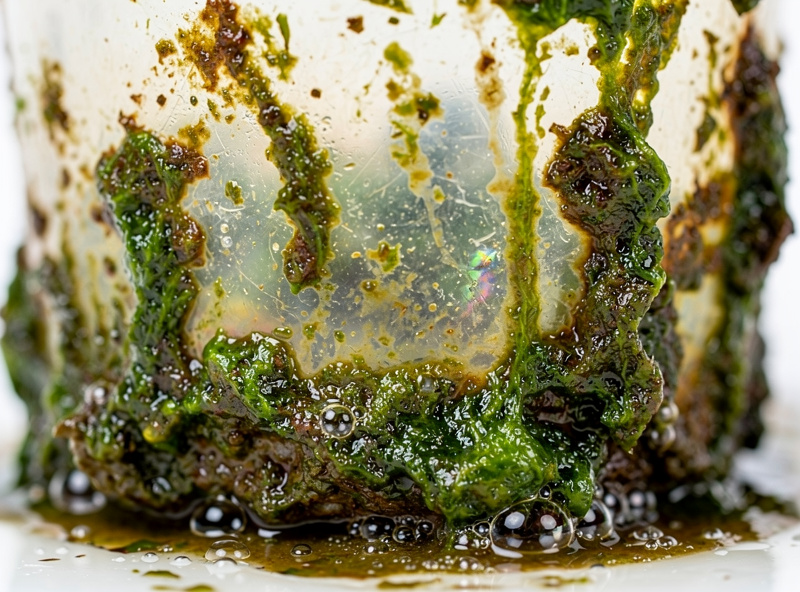
Why Biofilm and Algae Are Worth Fighting
Biofilm is a slimy bacterial layer that coats reservoir surfaces, and algae is the green growth that forms where light reaches nutrient water. Both harbor pathogens, consume dissolved oxygen, and clog air stones and pumps. Removing them removes the breeding ground for root rot and the competition for the oxygen your roots need.
These two problems feed each other. Algae grows wherever light hits the solution, which is why I run opaque tanks and tight lids; let light in and you get a green bloom that dies back, rots, and fouls everything. Biofilm builds on any surface in contact with the water and becomes a reservoir for the bacteria and fungi behind root disease. Both steal oxygen as they grow and decay, working directly against the aeration you worked to provide. The algae side gets its own full treatment in my algae article, and the disease consequences are mapped in the pest and disease guide — cleaning is the upstream fix for both.
Step by Step: Cleaning and Sterilizing
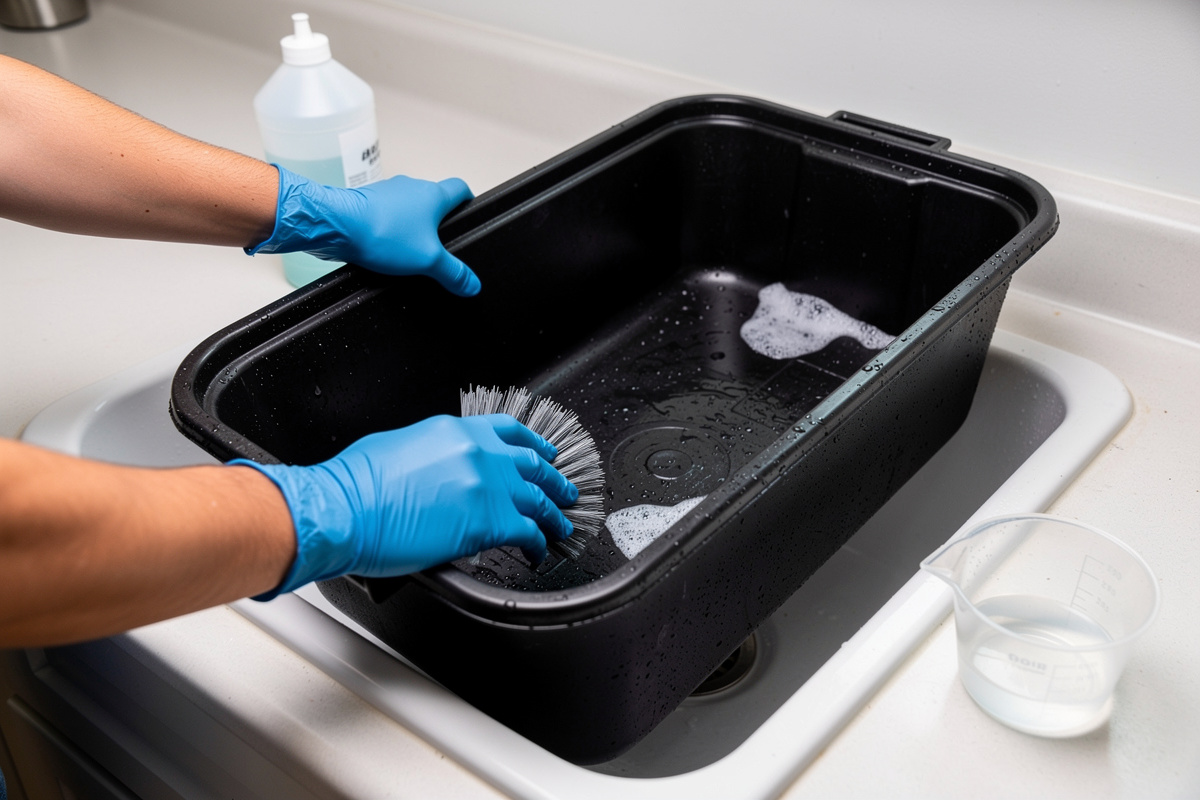
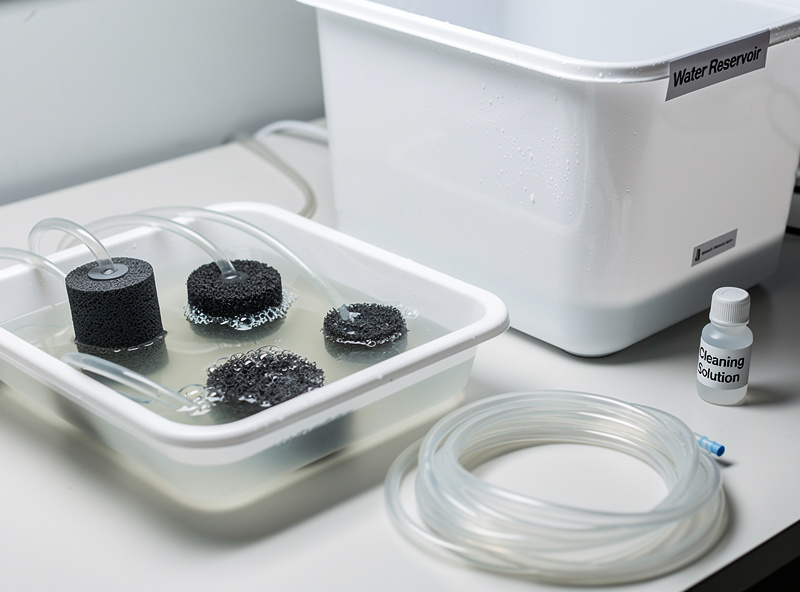
Empty the reservoir completely, then scrub every surface with a brush to physically remove biofilm. Sanitize with a diluted hydrogen peroxide or bleach solution, let it contact the surfaces, then rinse thoroughly until there is no smell of cleaner. Clean the air stones, tubing, and pumps too, and dry or refill promptly.
The physical scrub matters as much as the sanitizer — biofilm shrugs off chemicals if you do not break it up mechanically first. I use a dedicated cleaning brush set kept only for hydro gear so I am not dragging kitchen grease into the tank. After scrubbing, I sanitize. Food-safe 3% hydrogen peroxide is my default — it kills biofilm and algae and breaks down to water and oxygen, leaving no residue. A diluted unscented bleach solution works for a between-crop deep clean as long as you rinse exhaustively. Whichever you use, rinse until there is no chemical smell, because residue is harmful to roots. The full maintenance loop this fits into is in the reservoir guide.
Choosing a Sanitizer
The main reservoir sanitizers are 3% hydrogen peroxide, diluted bleach, and an inline UV sterilizer for ongoing control. Peroxide is the everyday choice because it leaves no residue; bleach is a stronger between-crop option that demands heavy rinsing; UV continuously suppresses pathogens in recirculating systems without any chemicals in the tank.
| Sanitizer | Best For | Residue Risk | Notes |
|---|---|---|---|
| 3% Hydrogen peroxide | Routine clean, slime reset | None (breaks to water + O₂) | Kills beneficials too — never with live bacteria |
| Diluted bleach | Between-crop deep clean | High — rinse exhaustively | Strong, cheap; never near plants |
| Inline UV sterilizer | Ongoing recirculating control | None | Suppresses pathogens continuously, no chemicals |
| Physical scrub | Always — step one | None | Mandatory; sanitizer can’t replace it |
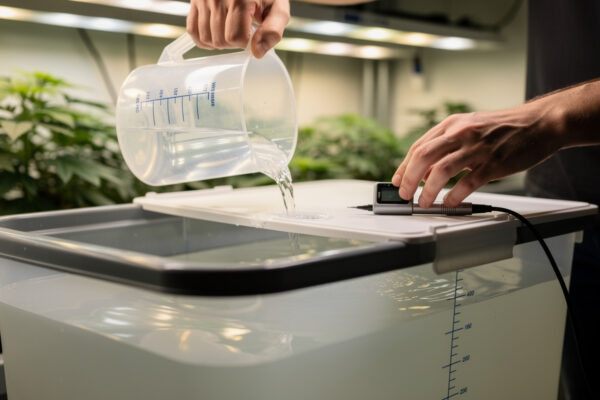
One canonical caution from my res logs: a 3% hydrogen peroxide reset, dosed at roughly 2–3 mL per liter, is excellent for clearing slime and resetting a struggling tank, but it kills beneficial bacteria as readily as the bad ones. If you run a live Bacillus inoculant like Hydroguard for biological root protection, never mix peroxide with it — you will sterilize away the very microbes you are paying for. Use peroxide as a one-time reset, then re-inoculate after it has broken down. An inline UV sterilizer is the chemical-free way to keep a recirculating build clean without that trade-off. The biological side of this balance runs through my root rot article.
Cleaning Mistakes That Backfire
The most common cleaning mistakes are skipping the physical scrub and trusting sanitizer alone, under-rinsing and leaving chemical residue that harms roots, using a brush or bucket that carries kitchen grease and soap, and mixing hydrogen peroxide with a live bacterial inoculant. Each one either fails to clean or actively damages the next crop.
I learned the rinse lesson the hard way — a tank that still smells faintly of cleaner is a tank that will stress your roots, so I rinse until my nose says it is gone, then rinse once more. Sanitizer without scrubbing is the other big miss: biofilm is a physical layer that chemicals cannot fully penetrate, so the brush has to come first every time. Keep your hydro brushes, buckets, and cloths separate from household cleaning gear, because dish soap residue is its own contaminant. And the peroxide-versus-bacteria conflict bears repeating: if you sterilize with peroxide and then immediately dose a live inoculant, you have wasted the inoculant. Let the peroxide fully break down first. These are the same upstream errors that show up downstream in my common mistakes article.
Keeping a Clean Reservoir Clean
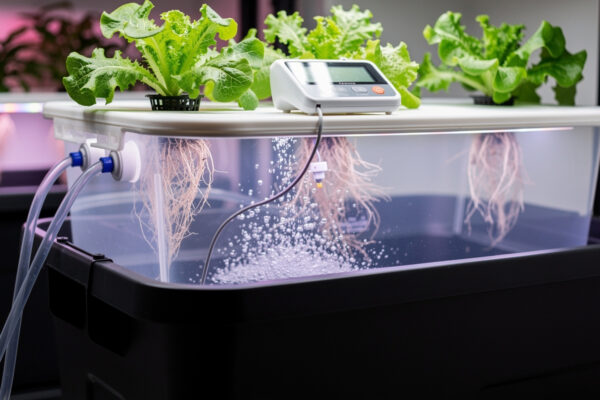
Prevention beats scrubbing: use an opaque tank and a tight lid to starve algae of light, keep water cool below 68°F to slow biofilm, run air stones to keep the water oxygenated and moving, and wipe the lid and waterline between changes. A clean tank that stays dark and cool barely builds biofilm at all.
Almost everything that keeps a reservoir clean is also what keeps it healthy. Light is the fuel for algae, so opacity and a sealed lid end that fight before it starts — this is exactly why I print my own tight-fitting lids. Heat speeds biofilm growth, so holding the cool 65–68°F band from my water temperature guide does double duty. Moving, oxygenated water resists the stagnant anaerobic pockets where slime thrives. Do those things and the deep clean every couple of weeks becomes a quick scrub rather than a battle. The size of the tank matters here too — a bigger, more stable reservoir per the sizing guide fouls more slowly.
Affiliate disclosure: some links above are Amazon affiliate links. I may earn a small commission at no extra cost to you. I only recommend products I use on my own reservoirs.
Frequently Asked Questions
How do I sterilize a hydroponic reservoir?
Empty it, scrub every surface with a brush to break up biofilm, then sanitize with 3% hydrogen peroxide or a diluted bleach solution. Let it contact the surfaces, then rinse thoroughly until no chemical smell remains before refilling.
Can I use hydrogen peroxide in my reservoir?
Yes. Food-safe 3% hydrogen peroxide at roughly 2 to 3 mL per liter clears slime and algae and breaks down to water and oxygen with no residue. Note it also kills beneficial bacteria, so never mix it with a live inoculant.
How often should I clean a hydroponic reservoir?
Clean and sterilize at every full water change, usually every one to two weeks, and do a deeper sterilization between crops. Clean sooner any time the water turns slimy, smells sour, or you have had a disease outbreak.
What causes the slimy film in my reservoir?
That slimy film is biofilm, a bacterial layer that coats surfaces in nutrient water, often alongside algae where light gets in. Both harbor pathogens and steal oxygen. Scrub it off physically; sanitizer alone will not remove established biofilm.
Do I need to clean the air stones and tubing?
Yes. Air stones and tubing collect biofilm and mineral buildup that clog them and cut oxygen delivery. Soak and rinse them at each cleaning, and replace air stones that no longer produce a fine, vigorous bubble curtain.
Can I use bleach to clean a hydroponic reservoir?
Yes, a diluted unscented bleach solution works for a between-crop deep clean, but it leaves harmful residue, so rinse exhaustively until there is no smell. Keep bleach well away from plants and never use it on a tank that is in active use.