If I could get a new hydroponic grower to obsess over one number, it would not be EC and it would not be pH — it would be reservoir water temperature. Temperature is the master variable in the tank because it controls dissolved oxygen and disease risk at the same time. A res that runs too warm starves roots of oxygen and rolls out the welcome mat for Pythium, and no amount of careful feeding fixes a cooked reservoir.
I have crashed a res by ignoring summer heat, and I have watched roots stay snow-white all winter simply because the water held in the right band. This guide gives you the safe range, why it matters so much, and exactly how I cool a hot tank and warm a cold one across the systems I run.
What Temperature Should Hydroponic Water Be?
Keep hydroponic reservoir water between 65 and 68°F (18 to 20°C). Below 72°F (22°C) suppresses Pythium and root rot; above that is the danger zone, because warm water holds far less dissolved oxygen. Cold water below 60°F slows nutrient uptake but is much safer than running hot.
That 65–68°F band is the sweet spot where oxygen capacity is high and pathogens stay quiet. The hard line in my logs is 72°F: cross it and root rot risk climbs sharply while oxygen falls, a double hit that can turn healthy white roots brown and slimy within days. On the cold side, the penalty is gentler — below about 60°F plants take up nutrients more slowly and growth stalls, but the roots stay safe. Given the choice between a res that is a few degrees too cold and one a few degrees too warm, I will take the cold one every time.
| Water Temp | Dissolved Oxygen | Root Rot Risk | Action |
|---|---|---|---|
| Below 60°F (15°C) | High | Very low | Add heater if uptake stalls |
| 65–68°F (18–20°C) | Optimal | Low | Ideal — hold steady |
| 68–72°F (20–22°C) | Declining | Moderate | Boost aeration, watch closely |
| Above 72°F (22°C) | Low | High (Pythium) | Chill, ice bottles, insulate now |
Why Warm Water Is So Dangerous
Warm water and low oxygen are the same problem. As water temperature rises, its capacity to hold dissolved oxygen falls, so a hot reservoir suffocates roots and breeds anaerobic, root-rotting pathogens at the same time. This is why temperature, not nutrients, is the variable I check first on every tank.
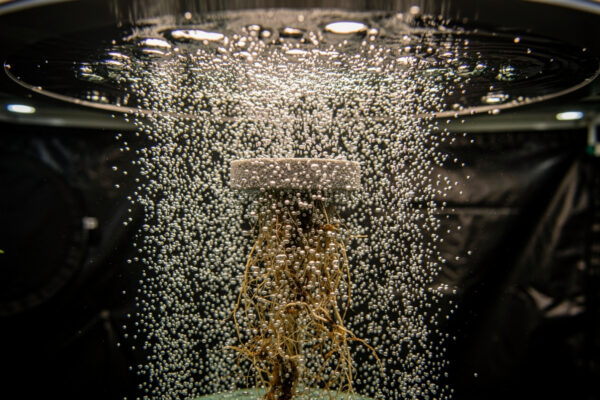
People reach for a fungicide when roots turn brown, but the root cause is almost always thermal. Pythium and the other usual suspects thrive in warm, oxygen-poor water; deny them the heat and they mostly stay dormant. That is the whole logic behind keeping a res cool, and it is why my root rot prevention article hammers temperature as the first line of defense. The oxygen side of the same coin gets its own treatment in the reservoir guide’s discussion of aeration — running air stones helps, but no air pump can fully compensate for water that is simply too hot to hold oxygen.
How to Cool a Hot Reservoir
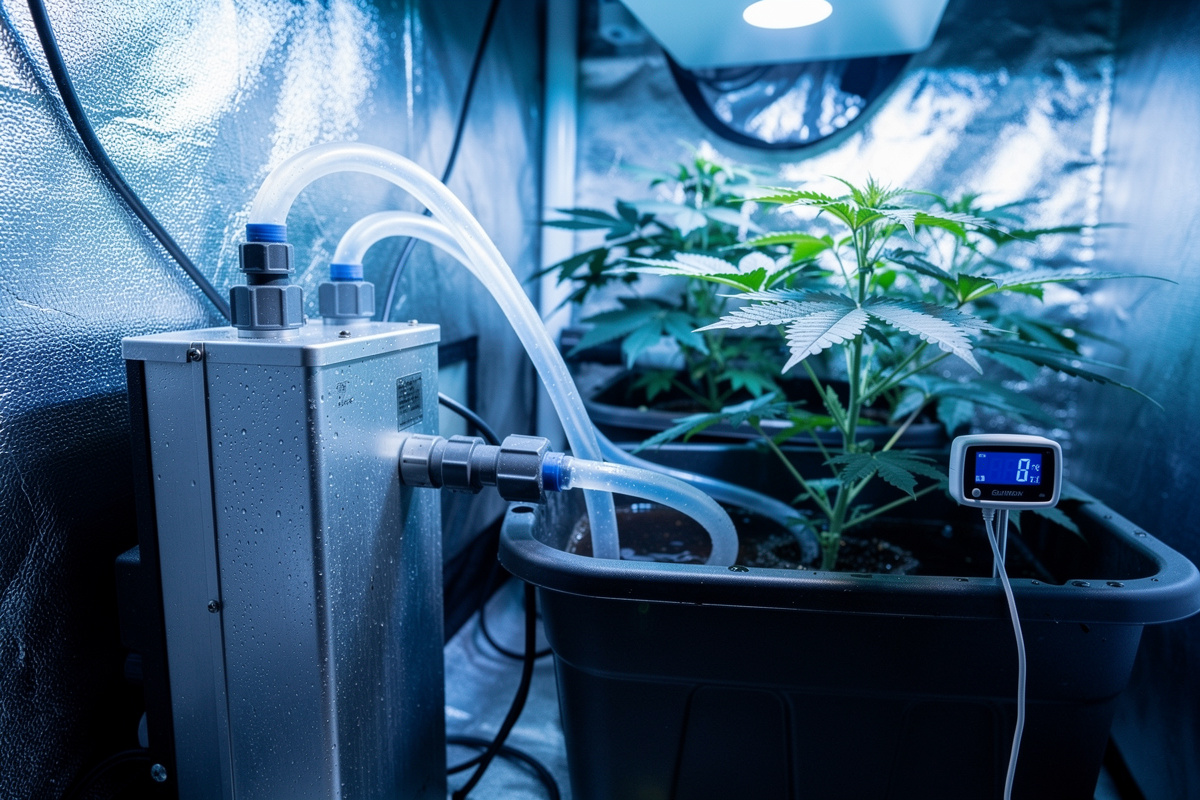
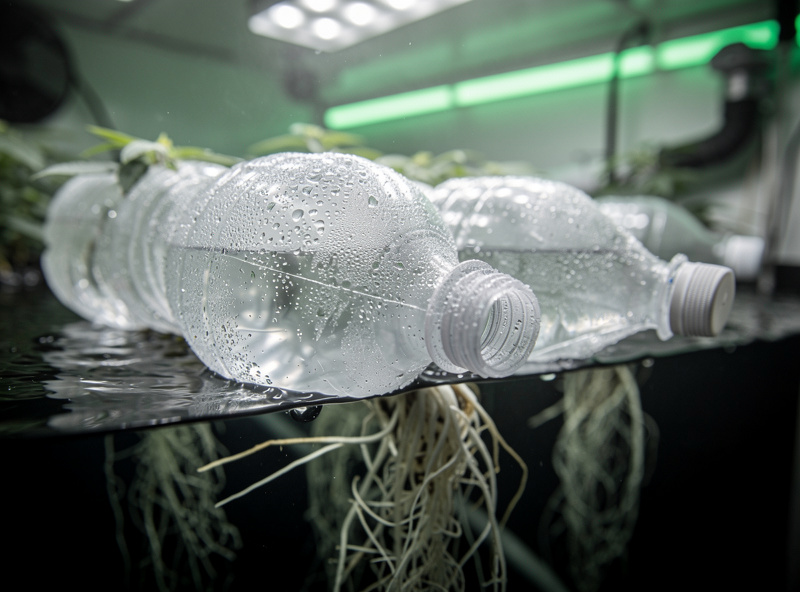
To cool a hydroponic reservoir, a dedicated water chiller is the only reliable method — it holds a set temperature regardless of room heat. Cheaper stopgaps include floating frozen water bottles, insulating the tank, moving it off hot floors, and increasing aeration, but these only slow the climb rather than control it.
The frozen-bottle trick is what I reach for in an emergency: seal water in bottles, freeze them, and float a couple in the res, swapping them as they thaw. It works, but it is labor and the temperature sawtooths up and down all day. A proper hydroponic water chiller is the grown-up answer — set a target, and it holds it whether the room is 75°F or 90°F. For a hot tent in summer, it is the single best money you can spend on root health. Pair it with insulation and shade so it is not fighting the room, and the temperature line in your logs goes flat. My full thinking on chillers versus stopgaps sits inside the complete reservoir guide.
How to Warm a Cold Reservoir
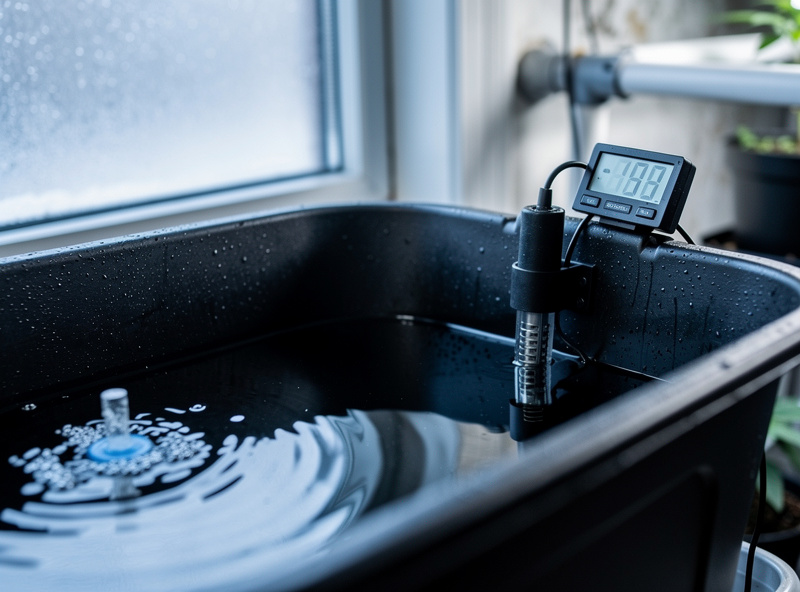
To warm a cold reservoir, a submersible aquarium heater with a thermostat is the simplest fix — size it to the tank volume and set it to hold around 65°F. Insulating the reservoir and lifting it off a cold floor also helps, and in heated rooms the ambient air often does most of the work.
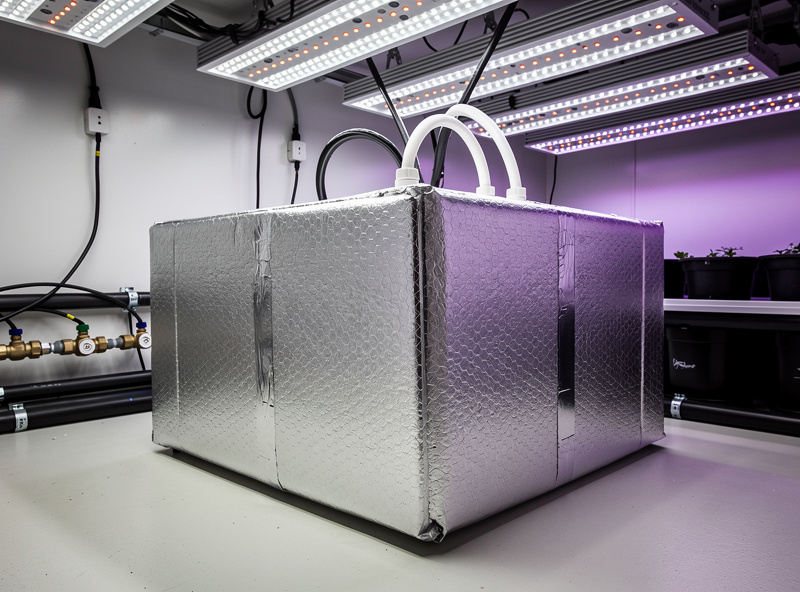
This is the side of the equation warm-climate growers never deal with, and it is my reality. My grow room runs through short Nordic winters where a res left alone can drift down toward room-cold and slow everything. A thermostatically controlled submersible aquarium heater sized to the tank holds the water in the uptake-friendly band without any fuss. Insulating the tank — even wrapping it in reflective foam — cuts the heat loss so the heater barely cycles. The goal in winter is not warmth for its own sake; it is keeping the water above the threshold where nutrient uptake stalls and growth crawls.
How Temperature Risk Varies by System
Temperature risk is highest in systems where roots sit submerged in standing water — deep water culture is the most exposed, because the roots have nowhere to escape a hot, low-oxygen reservoir. Recirculating systems with small reservoirs heat up fastest, while large tanks and media-based ebb-and-flow beds buffer the swing better.
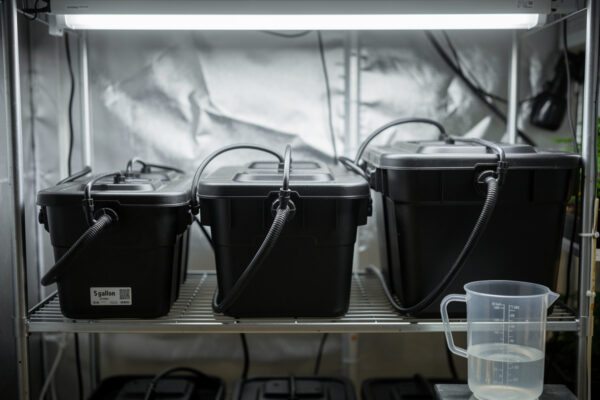
DWC is where I watch temperature hardest, because the entire root mass is bathed in the reservoir water around the clock — if that water goes warm and anaerobic, there is no refuge. NFT runs a thin film over the roots, so the channels can pick up heat from lights quickly, but the bulk of the water is back in the reservoir where you can control it. Ebb-and-flow floods and drains a clay-pebble bed, so the roots get air between cycles and the media buffers the swing, making it a bit more forgiving on a hot day. Passive Kratky sits still, which means no pump heat but also no circulation to even out hot spots. Knowing which method you run tells you how aggressively to defend the temperature — the trade-offs across all of them are laid out in my guide to hydroponic systems, and tank volume, which sets your thermal buffer, is covered in the reservoir sizing guide.
Measuring and Logging Reservoir Temperature
Use a submersible or floating thermometer to read the water itself, not the room air — they can differ by several degrees. Check the reservoir at the warmest part of the day, when heat risk peaks, and log the reading so you can catch a slow climb before it becomes a crisis.
The mistake here is trusting room temperature as a proxy. A res sitting on a concrete floor or under hot lights can run well above ambient, and the only way to know is to put a probe in the water. A simple digital submersible thermometer reads the number that actually matters. I take the reading at peak afternoon heat, because that is when the danger zone gets crossed, and I write it down next to EC and pH. A single number is noise; a trend is signal, and a res that creeps up a degree a day is warning you before it ever turns a root brown. The smart-sensor version that logs water temperature continuously is covered in the hydroponic sensors guide.
Affiliate disclosure: some links above are Amazon affiliate links. If you buy through them I may earn a small commission at no extra cost to you. I only recommend gear I would run on my own reservoirs.
Frequently Asked Questions
What is the ideal water temperature for hydroponics?
Keep reservoir water between 65 and 68 degrees Fahrenheit (18 to 20 Celsius). This band holds high dissolved oxygen and suppresses root rot. Staying below 72F is the key safety line; above it, oxygen drops and Pythium risk climbs fast.
What happens if hydroponic water is too warm?
Warm water holds less dissolved oxygen, so roots begin to suffocate, and warm, low-oxygen water breeds Pythium and root rot. Above 72F you can see white roots turn brown and slimy within days, even with good nutrients.
Do I really need a water chiller?
If your reservoir regularly exceeds 72F, yes. A chiller is the only method that holds a set temperature regardless of room heat. Frozen bottles and insulation only slow the climb. In a cool room you may never need one.
Can hydroponic water be too cold?
Below about 60F, nutrient uptake slows and growth stalls, but the roots stay safe and rot risk stays very low. Cold is far less dangerous than hot. A thermostatic aquarium heater fixes it if uptake noticeably lags.
How do I cool my reservoir without a chiller?
Float sealed frozen water bottles and swap them as they thaw, insulate the tank, lift it off hot floors, shade it, and increase aeration. These slow the temperature climb but cannot hold a setpoint like a chiller does.
Should I measure water or air temperature?
Measure the water itself with a submersible thermometer. Reservoir water can run several degrees off room air, especially on a cold floor or under hot lights. Check at the warmest part of the day when heat risk peaks.
Related Articles
- Hydroponic Reservoir Guide: The Complete Pillar
- Hydroponic Reservoir Size: How Big Should It Be?
- Hydroponic Root Rot: Identify, Treat and Prevent Pythium
- Smart Hydroponic Sensors: Wi-Fi pH, EC and Temp
- Hydroponic Pests and Diseases: Prevention and Control
- RO vs Tap Water for Hydroponics: Which Should You Use?