Deep water culture suspends a plant’s roots directly in oxygenated, nutrient-rich water, with an air pump and air stone keeping that water saturated with dissolved oxygen. It is the simplest active hydroponic method to build and, in my experience running a row of DWC totes as the daily workhorse on my bench, the fastest method for putting visible growth on a leafy crop. There is no growing medium doing any work, no flood timer to fail, and no thin film of solution to babysit — just roots, water, and bubbles. That bluntness is exactly why it is the method I measure every other system against.
It is also the method that punishes you hardest when you get water temperature or dissolved oxygen wrong, because the entire root system is sitting in the failure. Below I will walk through how DWC actually works, what a working build looks like, the numbers I dial mine in to, and the handful of mistakes that cook a res before you have noticed anything is off.
How Deep Water Culture Actually Works
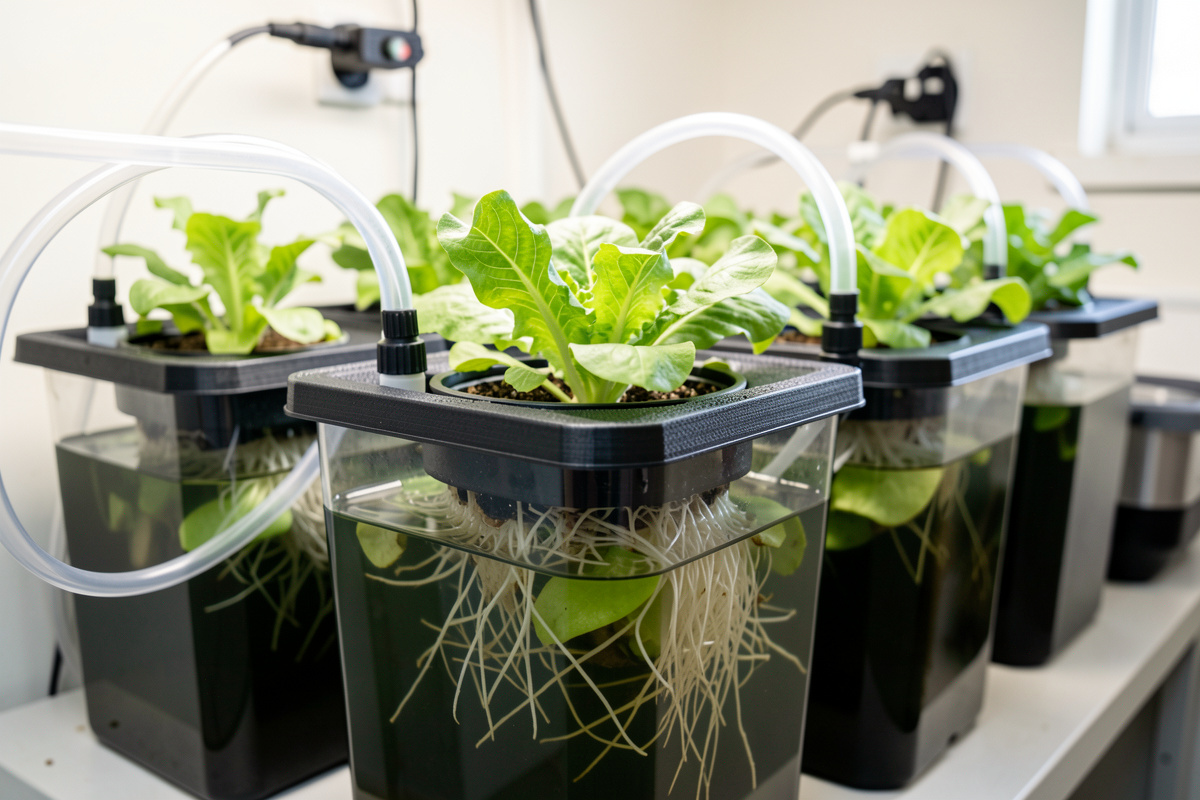
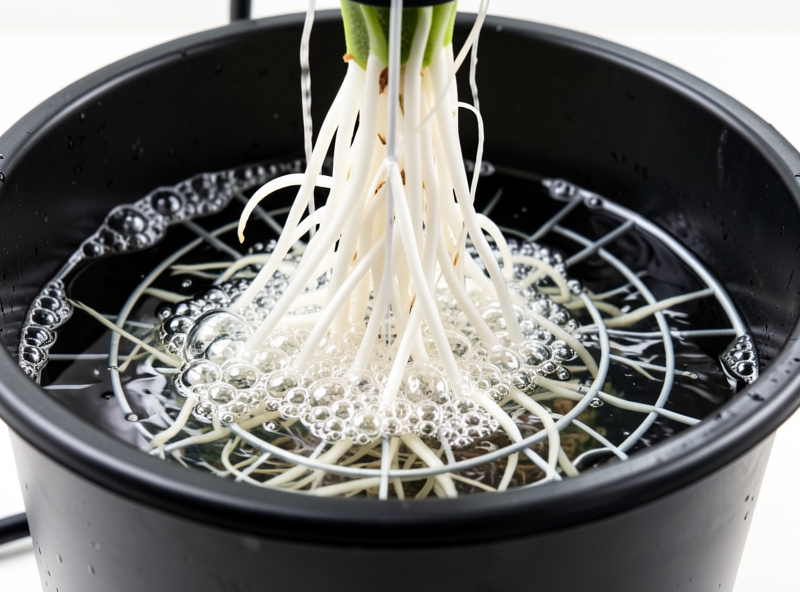
In a DWC bucket the plant sits in a net pot in the lid, with a small amount of medium — clay pebbles or a rockwool cube — holding the stem upright. The roots grow down through the net pot and into the reservoir below. An air pump pushes air through tubing to an air stone on the bottom of the bucket, and the column of fine bubbles does two jobs: it dissolves oxygen into the water, and it keeps the solution gently circulating so nutrients never stratify.
The reason roots can sit in water permanently — something that would drown a soil plant in a day — is dissolved oxygen. A plant root respires; it needs oxygen at the root surface to take up water and nutrients. In soil that oxygen comes from air gaps. In DWC it comes entirely from what the air stone puts into solution. Get the dissolved oxygen high and the water cool, and roots thrive submerged. Let the oxygen crash — warm water holds far less of it — and you get root rot fast. That single trade-off is the whole game.
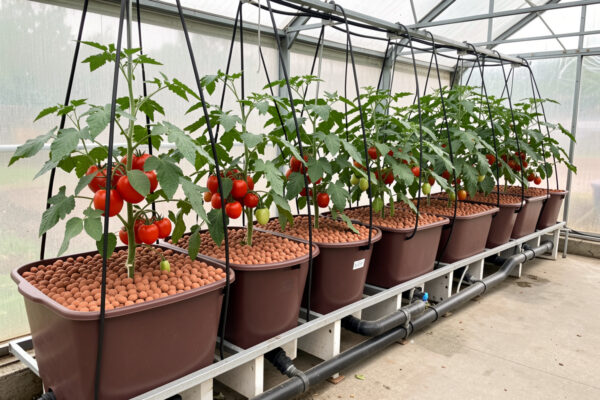
There is a variant worth naming: a recirculating deep water culture (RDWC) system links several buckets to a central reservoir with a pump, so they all share one body of water you dose and measure once. I run both standalone totes and a small recirculating row, and the recirculating setup is genuinely easier to keep stable at volume because the bigger shared water mass swings slower in temperature and EC.
What You Need to Build a DWC System
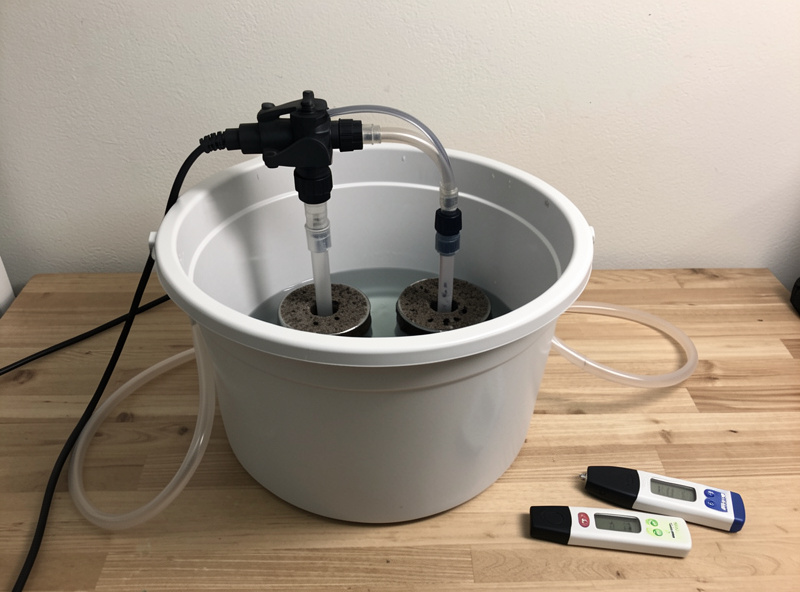
The parts list is short, which is the appeal. Here is the working build I would set someone up with, and what each piece is actually doing:
- An opaque reservoir — a food-grade bucket or tote. Opaque matters: light in the res grows algae, and algae competes with your roots for the oxygen you are paying to put in.
- A net pot in the lid — 2-inch or 3-inch is plenty for leafy greens; size up for a tomato or pepper. I print my own lids and collars so the net pot sits at the right depth, but a drilled bucket lid works fine.
- An air pump and air stone — the heart of the system. Match the pump to the reservoir volume; one undersized pump feeding a big tote is the most common reason a DWC underperforms.
- A growing medium for the net pot — clay pebbles (hydroton) or a rockwool cube to anchor the seedling.
- A nutrient solution and meters — an EC/TDS pen and a pH pen, because in DWC you are managing the water, not a buffer of soil.
For the parts that genuinely affect oxygen, I do not cut corners. A reliable hydroponic air pump and air stone kit is the one component I would buy with margin to spare — oversizing the air is almost never a mistake in DWC. For the lids, a set of 3-inch hydroponic net pots covers most leafy and fruiting crops. As an Amazon Associate I earn from qualifying purchases.
The Numbers I Dial Mine In To
DWC lives and dies on three readings: dissolved oxygen (managed indirectly through water temperature), EC, and pH. These are the targets I actually run, not theory:
- Water temperature: keep it at or below 68°F (20°C). Below that, water holds enough dissolved oxygen to keep roots healthy. Once you push past about 72°F (22°C), oxygen-holding capacity falls and Pythium becomes opportunistic — this is the single most important number in the whole method.
- EC: seedlings and lettuce run low, roughly 0.8–1.2 mS/cm; fruiting crops climb toward 2.0–2.4 mS/cm. I mix to a target EC with a pen, never by feel, and I let leaf response tell me whether to nudge it.
- pH: hold the solution in the 5.5–6.0 band so nutrients stay available and you avoid lockout. DWC pH drifts as plants drink, so I check it every day or two on an active res.
None of these are exotic. The discipline is checking them on a schedule rather than reacting after the plant tells you. In my res logs, the DWC totes that stay boring — stable temp, stable EC, stable pH — are the ones that out-grow everything else under the same light.
DWC vs the Other Hobby Methods
I run DWC, Kratky, NFT and ebb-and-flow side by side on the same crops, so this comparison is from the same bench, not a spec sheet. The honest summary: DWC trades resilience for growth speed and simplicity.
| Method | Build difficulty | Growth speed | Power-outage risk | Best for |
|---|---|---|---|---|
| Deep water culture | Easy | Fast | High (roots rely on the air pump) | Leafy greens, fast turnaround |
| Kratky (passive) | Easiest | Moderate | None (no pump) | Hands-off lettuce and herbs |
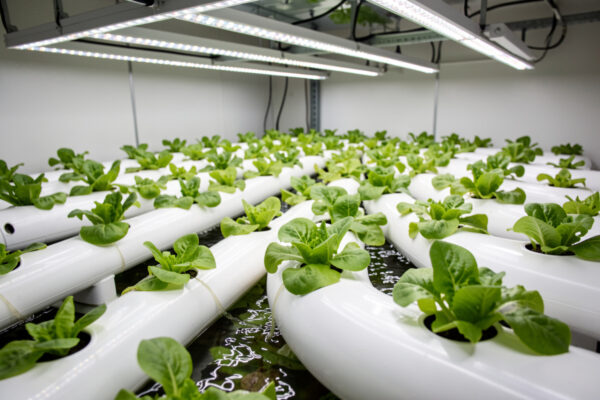
| NFT | Moderate | Fast | High (film dries out if the pump stops) | Channel runs of leafy greens |
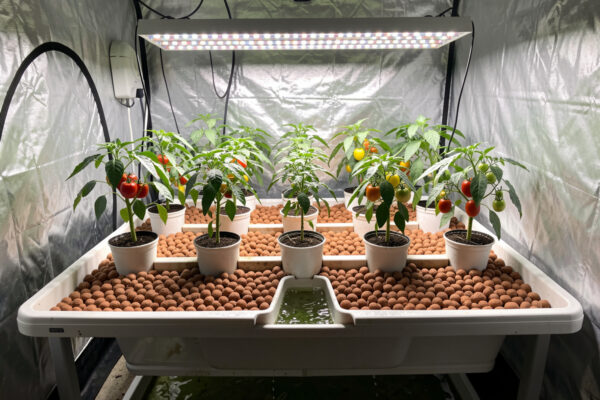
| Ebb and flow | Moderate | Fast | Medium (medium holds moisture between cycles) | Fruiting crops in a pebble bed |
The one row that matters for a beginner is the power-outage column. In DWC, if the air pump stops and the water is warm, dissolved oxygen falls and roots can start to rot within hours. Kratky has no pump to fail; ebb-and-flow buys you time because the clay pebbles stay damp. If your power is flaky and you cannot babysit, that risk profile should steer your choice.
Starting Your First DWC Plant
The trickiest stretch in DWC is the first two weeks, when a young seedling’s roots have not yet reached the water. I solve it the same way every time: I set the water level so the bottom of the net pot is just touching the solution, and I let the bubbles splash the cube. That keeps the rockwool damp from below while the roots stretch down. Once roots are clearly in the water, I drop the level an inch or two to leave an air gap — that gap of moist, oxygen-rich space just above the waterline is where the healthiest roots form.
Run your EC low while the plant is small — a seedling does not want a full-strength fruiting solution. Step it up as true leaves come in. And resist the urge to top off with plain water constantly in the first weeks; small reservoirs swing fast, so a 5-gallon bucket is far more forgiving for a beginner than a tiny tub.
The Mistakes That Kill a DWC Res
Almost every DWC failure I have diagnosed comes down to one of four things, and all four are about oxygen and temperature:
- Warm water. A res sitting in a hot room, or directly under a heat-throwing light, climbs past the safe range and crashes oxygen. Move it, insulate it, or cool it.
- An undersized or failed air pump. If the bubble column is weak, the dissolved oxygen is too. Size the pump generously and keep a spare air stone — they clog over time.
- Light in the reservoir. A translucent tub or a gap at the lid grows algae, which fouls the water and competes for oxygen. Keep it dark.
- Ignoring pH drift. As the plant drinks, pH moves. Let it drift out of the 5.5–6.0 band and you get nutrient lockout that looks exactly like a deficiency. Check, do not assume.
Brown, stringy, foul-smelling roots are the tell that you have lost the oxygen battle — that is Pythium, and the fix is to drop the water temperature, boost aeration, and reset the res. Healthy DWC roots are bright white and smell of nothing.
Is DWC the Right First System?
For most people growing leafy greens indoors, yes. It is cheap to build, forgiving on technique once the basics are right, and the growth speed is genuinely satisfying — lettuce in a well-run DWC bucket outpaces the same seedling in soil noticeably. The catch is that it asks for reliable power and a cool reservoir. If you can give it those two things, deep water culture is the method I would hand a beginner first, and it is the one I keep running long after I have built every other system in the room.
Frequently Asked Questions
How often should I change the water in a DWC system?
On an active reservoir I do a full change every one to two weeks, topping off with plain pH-adjusted water in between as the level drops. Smaller reservoirs need changing more often because EC and pH swing faster in less water.
Why are my DWC roots turning brown?
Brown, slimy, foul-smelling roots mean dissolved oxygen has crashed, usually from warm water above 72 degrees Fahrenheit. This is Pythium root rot. Cool the reservoir below 68 degrees, increase aeration, and reset the solution.
Can I run a DWC system without an air pump?
Not as true DWC. Without an air pump the water loses oxygen and roots rot. If you want a pump-free method, use the Kratky method instead, which is designed around a shrinking water level and an air gap rather than active aeration.
What size bucket is best for DWC?
A 5-gallon bucket is the sweet spot for a single fruiting plant or a few leafy greens. The larger water volume swings slower in temperature, EC and pH, which makes it far more forgiving than a small tub for a first build.
What EC should I run in a DWC reservoir?
Run lettuce and seedlings low, around 0.8 to 1.2 mS/cm, and climb toward 2.0 to 2.4 mS/cm for fruiting crops. Mix to a target EC with a meter rather than by feel, then let leaf response fine-tune it.