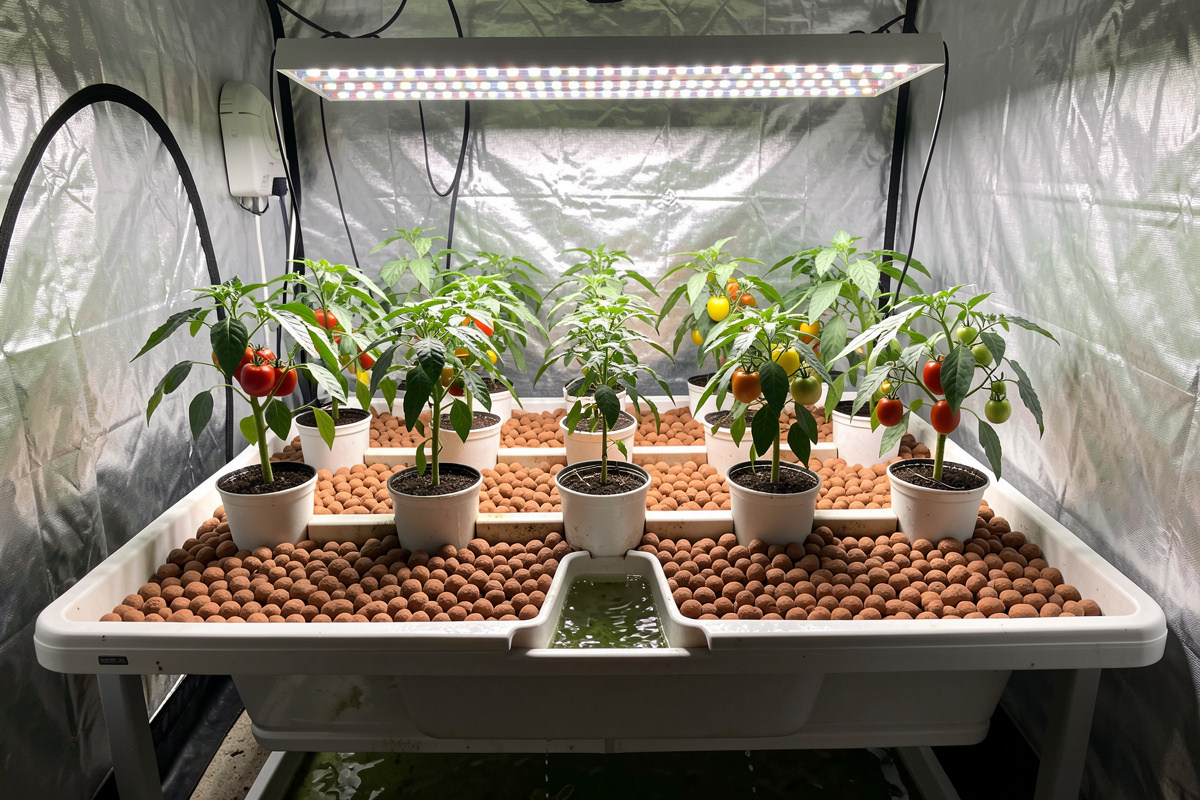
Ebb and flow — flood and drain — periodically floods a bed of growing medium with nutrient solution, then lets it drain back to the reservoir, so roots get a full feed and then a full breath of fresh air on every cycle. It is the method I run for fruiting crops, on a clay-pebble bed cycled by a timer, and it is the most intuitive of the active systems to understand: you are imitating a tide. The flood delivers water and nutrients; the drain pulls fresh oxygen-rich air down through the medium as the solution recedes. That flush-and-breathe rhythm is why ebb and flow handles heavier, longer-season crops better than a shallow film ever will.
It is also more forgiving of a power blip than NFT or DWC, because the medium holds moisture between floods — a missed cycle is not an immediate emergency. The trade-off is more plumbing and a timer to get right. Here is how flood and drain actually works and how I run mine.
The Tide Cycle Explained
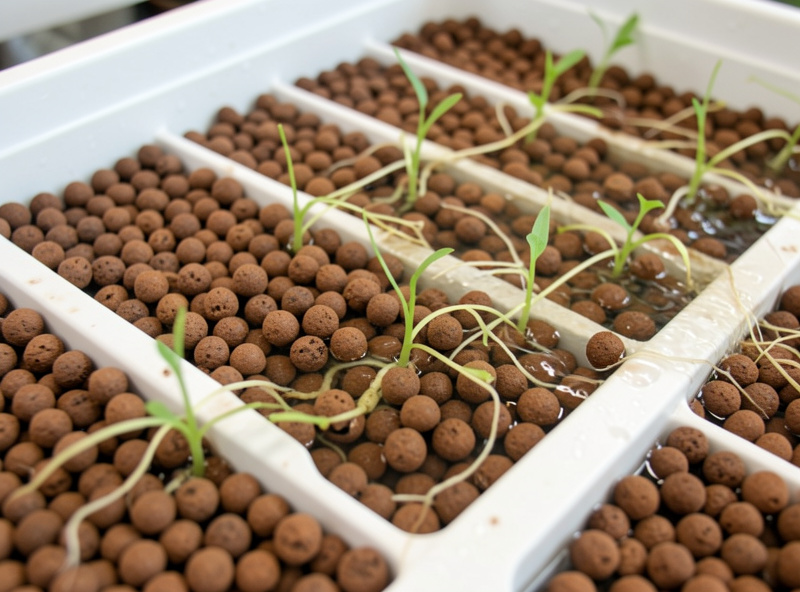
An ebb and flow system has two levels: a flood tray or bed up top, holding the plants in their medium, and a reservoir below. A submersible pump on a timer floods the tray from the bottom up. When the solution reaches a set height — capped by an overflow fitting so it can never breach the medium surface — it holds for a few minutes, fully wetting the root zone. Then the pump shuts off and gravity drains the tray back down through the same fitting into the reservoir.
The genius is in the drain. As the solution recedes, it acts like a piston, pulling fresh air down into the medium and right to the root surface. So instead of relying on an air pump (DWC) or a permanent air gap (NFT, Kratky), ebb and flow re-oxygenates the root zone mechanically, several times a day, just by emptying. Flood, hold, drain, breathe — repeat on a timer. That is the entire operating principle.
There is a second, quieter benefit to that cycle: it keeps the reservoir mixed and circulating without a separate circulation pump. Every flood draws solution up and every drain returns it, so nutrients never stratify and the whole body of water passes through the root zone repeatedly. In practice that means a well-tuned ebb-and-flow bed holds a more even EC and temperature through the day than a standalone tote that just sits there between checks — one more reason it suits the demanding crops.
What You Need to Build One
Ebb and flow has the most parts of the four hobby methods, but each one is simple:
- A flood tray or bed sitting above a reservoir. The tray holds the medium and the plants; the reservoir holds the solution.
- A growing medium — clay pebbles (hydroton) are the classic choice because they hold a little water and a lot of air, drain instantly, and are reusable. Rockwool or coco work too but drain differently.
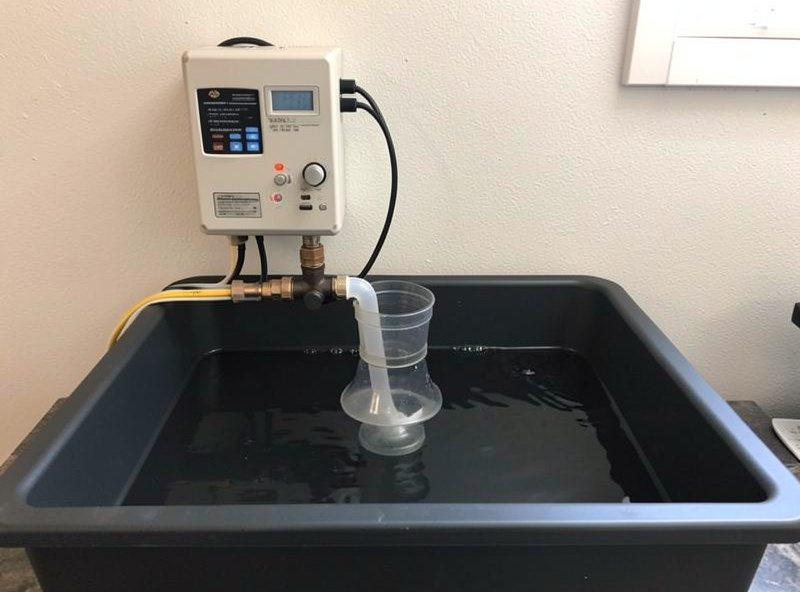
- A submersible pump on a timer. The pump floods the tray; the timer sets how often and how long. This is the heart of the tuning.
- Fill and overflow fittings. Often a pair of standpipes: one sets the maximum flood height (so it never tops the medium), the other is the drain. A bell siphon is an elegant alternative that floods and drains automatically.
- An EC pen and pH pen for the recirculating reservoir.
The pump and timer do the work, so they are where I focus. A dependable submersible pump and timer for hydroponics set is the core of the build, and the timer’s granularity matters — you want to be able to flood for short, frequent cycles. For the bed itself, a sack of clay pebbles (hydroton) is reusable for years once you have rinsed it. As an Amazon Associate I earn from qualifying purchases.
Dialling In the Cycle
Tuning ebb and flow is mostly about flood frequency and duration, and the right answer depends on your medium and climate:
- Frequency: with fast-draining clay pebbles I flood several times during the lights-on period — often every couple of hours — and pause or reduce it at night when transpiration drops. Getting your lighting schedule right is part of the same day/night rhythm — see the hydroponic grow lights guide for spectrum, intensity, and photoperiod recommendations by crop. Water-retentive media like coco need fewer cycles.
- Duration: flood long enough to fully wet the bed and let the level reach the overflow, then drain. A few minutes of flood is usually plenty; the breathing happens on the drain, not the soak.
- Flood height: set the overflow so the solution rises to roughly two-thirds of the medium depth and never reaches the surface. Wetting the very top invites algae and gnats; leaving the surface dry keeps it clean.
- EC and pH: it recirculates, so EC concentrates over time. I hold fruiting crops around 2.0–2.4 mS/cm and pH in the 5.5–6.0 band, checking the reservoir regularly.
In my logs, the ebb-and-flow beds that thrive are the ones cycled little and often during the day — frequent short floods beat one long soak, because it is the repeated breathing that keeps the roots healthy.
Ebb and Flow vs the Other Methods
Run on the same fruiting crops next to my other systems, ebb and flow’s strengths are crop range and resilience; its cost is complexity.
| Factor | Ebb & flow | DWC | NFT |
|---|---|---|---|
| Best crops | Fruiting and large plants | Greens and fruiting | Leafy greens |
| Root oxygenation | Drain pulls in fresh air | Air pump / air stone | Air gap above film |
| Power-failure tolerance | Medium (medium stays damp) | Low | Very low |
| Build complexity | Higher (timer, fittings, medium) | Low | Moderate |
| Reusable medium | Yes (clay pebbles) | Minimal medium | Minimal medium |
The reason I default to ebb and flow for fruiting crops is the medium. A tomato or pepper carries weight and grows a big root system; a bed of clay pebbles supports it physically and buffers the root zone against the swings that would stress that plant in bare water. If you only ever grow lettuce, this is more system than you need — though if you want to push growth rates to their ceiling, the aeroponics system guide covers the advanced option once you have ebb-and-flow down — but for anything that fruits, the flood-and-drain bed is the one I trust — though for tomatoes and peppers at scale, Dutch bucket systems take the concept further; see the Dutch bucket hydroponics guide for how Bato buckets differ from a flood tray.
The Failure Modes
Ebb and flow problems cluster around the plumbing and the timer:
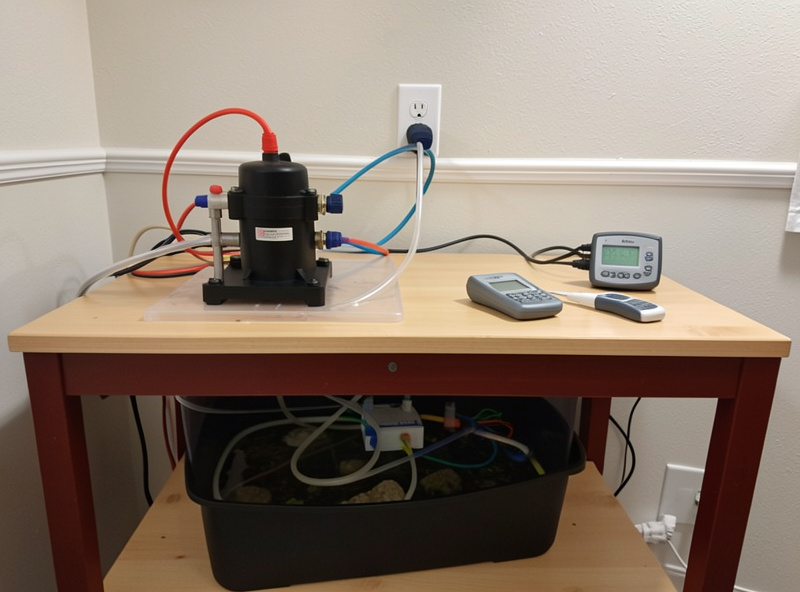
- A clogged or failed pump. If the flood never comes, a fast-draining pebble bed dries out — though slower than NFT, so you usually have hours, not minutes. Keep the pump inlet screened.
- Overflow set too high. Solution reaching the medium surface keeps the top wet, breeding algae and fungus gnats. Lower the overflow standpipe.
- Drain too slow. If the tray empties sluggishly, the roots do not get their full breath and can sit waterlogged. Size the drain generously and keep it clear of debris.
- Timer set-and-forget. A schedule that suited a seedling floods a mature, thirsty plant too little. Revisit the cycle as the crop grows and the season changes.
Is Flood and Drain for You?
If you want to grow fruiting crops — tomatoes, peppers, larger herbs — or you like the resilience of a medium that holds moisture between cycles, ebb and flow is an excellent choice and the system I reach for most outside of leafy greens. It asks for a bit more build effort and a timer you are willing to tune, but in return it handles the crops the shallow-water methods struggle with. For a fruiting indoor grow in a cool climate, it is the method I would build first.
Frequently Asked Questions
How often should an ebb and flow system flood?
With fast-draining clay pebbles, flood several times during the lights-on period, often every couple of hours, and reduce or pause cycles at night. Water-retentive media like coco need fewer floods. Frequent short cycles beat one long soak because the breathing happens on each drain.
What is the best medium for ebb and flow?
Clay pebbles, or hydroton, are the classic choice. They hold a little moisture and a lot of air, drain instantly so the root zone breathes on each cycle, and are reusable for years after rinsing. Coco and rockwool work but retain more water and need fewer floods.
How high should the flood reach in the tray?
Set the overflow so the solution rises to about two-thirds of the medium depth and never reaches the surface. Keeping the top layer dry prevents algae and fungus gnats, while fully wetting the lower root zone delivers the feed.
Is ebb and flow good for tomatoes and peppers?
Yes. The medium physically supports heavier fruiting plants and buffers the root zone against the swings that stress them in bare water. That is why flood and drain is a preferred method for fruiting crops over shallow-water systems like NFT.
What happens if the pump fails in an ebb and flow system?
The flood stops, but a clay-pebble bed holds enough moisture to give you hours rather than the minutes NFT allows. It is more forgiving of a brief outage. Keep the pump inlet screened against debris and check the cycle is firing on schedule.
Does ebb and flow need an air pump?
No. The draining solution pulls fresh air down into the medium on every cycle, re-oxygenating the roots mechanically. That is the whole point of flood and drain, so a separate air pump is not required as it is in deep water culture.