Perlite is the workhorse of aeration in hydroponics: a sterile, lightweight volcanic glass that holds almost no water, never touches your nutrient chemistry, and keeps root zones full of oxygen. When growers talk about perlite for hydroponics growing, they usually mean it as an amendment — the “lung” you mix into heavier media — but it also runs perfectly well on its own in the right system.
On my bench perlite is the medium I reach for whenever a mix feels too wet or a net pot needs pure drainage. It is cheap, endlessly reusable, and the most chemically boring substrate in the room — which, when your goal is to make your EC pen readings mean exactly what they say, is the highest compliment I can pay a growing medium.
What Perlite Is and Why It Works
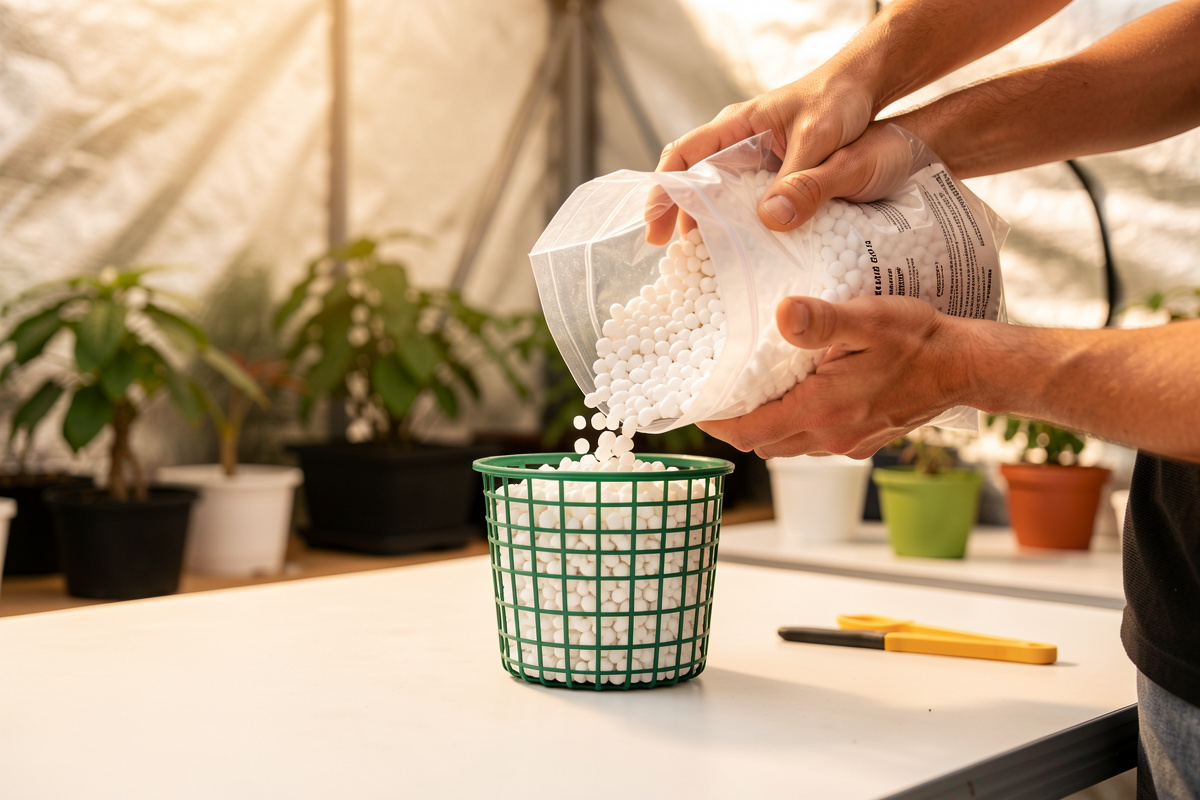
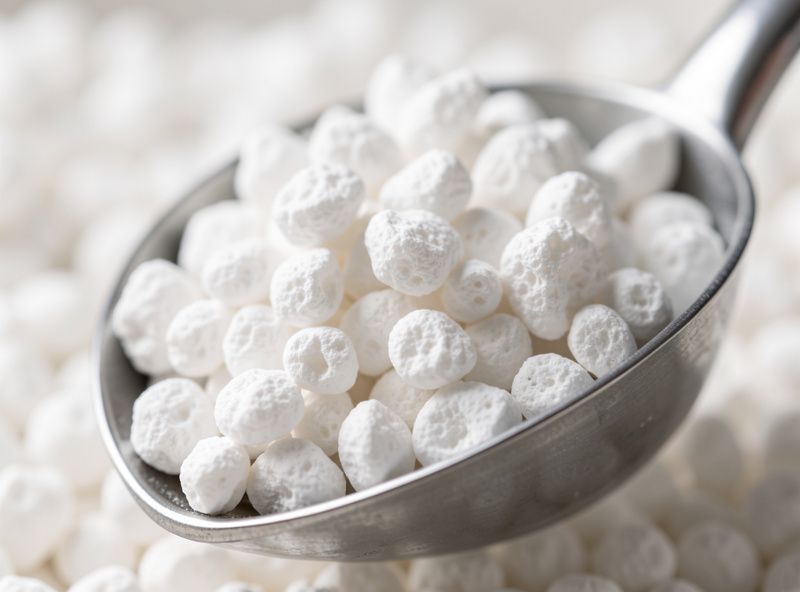
Perlite is a naturally occurring volcanic glass that is heated until it pops like popcorn, expanding into the white, porous granules you know. Those granules are full of tiny closed air pockets, which is why perlite is so light and why it floats. Crucially, it is inert: it has effectively zero cation exchange capacity, so unlike coco coir it does not grab calcium or magnesium out of your solution, and unlike rockwool it does not shift your pH. It is also sterile out of the bag, carrying no weed seeds or pathogens.
What perlite brings to a root zone is air. It holds only a thin film of water on its surfaces and drains the rest almost instantly, so roots growing in or around perlite get abundant oxygen. That is the whole reason it earns its place: in a hobby where root-zone dissolved oxygen separates thriving plants from rotting ones, perlite is pure aeration insurance.
The Pre-Rinse Nobody Should Skip
Perlite has one quirk you must respect: dust. A fresh bag carries a fine perlite powder that, if it gets into a recirculating system, irritates fine root hairs and clouds your reservoir. Before perlite goes anywhere near a plant I rinse it in a colander until the water runs clear, ideally outdoors or over a sink, and I wear a mask while handling the dry bag because that dust is not something you want in your lungs either. Thirty seconds of rinsing saves a lot of grief later. This is the same kind of pre-use rinse I give clay pebbles, and it is non-negotiable in a water-culture system.
How I Use Perlite
Perlite plays three roles on my bench, and it is worth knowing which one you need:
- As an amendment: 20 to 30 percent perlite cut into coco coir turns a water-heavy medium into a forgiving all-rounder. This is its most common job, and a 70/30 coco-perlite blend is the most versatile medium I run.
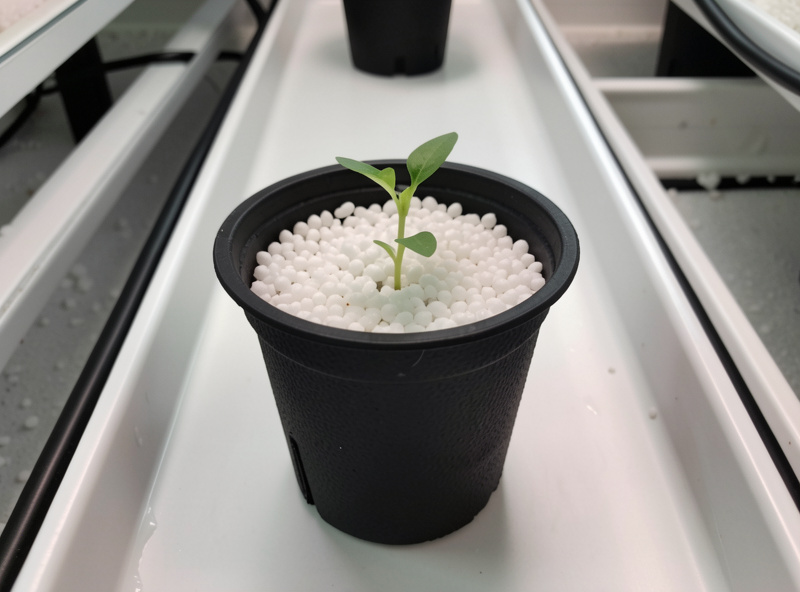
- Straight in net pots: in Dutch buckets and drip systems, pure perlite gives maximum drainage and air for plants that hate wet feet.
- As a wicking partner: in passive and hand-watered setups, perlite keeps the air gap open as water moves, which protects roots from sitting in stale solution.
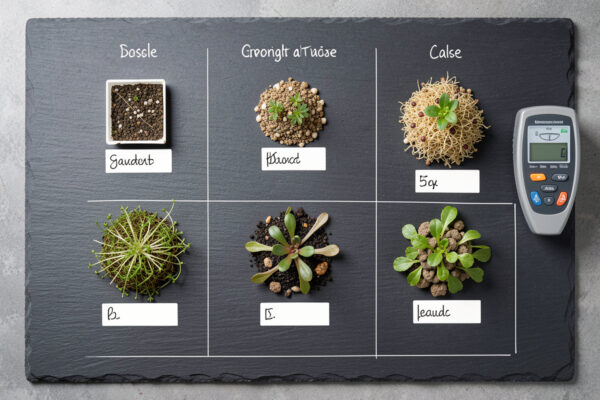
Where perlite is the wrong choice on its own is anywhere you need water retention — it dries out fast, so a pure-perlite pot in a warm room needs frequent feeding or it will leave plants thirsty. That fast dry-down is exactly why I treat it as the aeration half of a blend rather than a standalone medium for thirsty crops. To see how it compares head to head with the water-holding media, the growing media comparison lines them all up, and the growing media guide hub puts perlite in context with the rest.
Perlite vs Other Aeration Media
Perlite is not the only way to add air. Clay pebbles drain hard too, but they are heavier and hold their shape, which suits flood-and-drain beds. Vermiculite is sometimes paired with perlite, but it holds far more water and swings the opposite way. For pure, weightless aeration that you can reuse for years and that never compacts, perlite wins. The trade-off is that it is light enough to float and migrate in a flooded system, so in ebb-and-flow beds I prefer clay pebbles and save perlite for blends and net pots.
Because perlite is inert and reusable, it is also one of the easiest media to bring back for another grow — a rinse and a light sterilize and it is ready again, as covered in reusing growing media. Pair it with disciplined feeding to a target EC (your EC meter is your friend here) and perlite becomes the most cost-effective aeration you can buy.
Choosing the Right Perlite Grade
Not all perlite is the same size, and the grade matters more than growers expect. Coarse, chunky perlite is what you want for hydroponics — the large granules hold their shape, drain fast, and resist floating away. Fine horticultural perlite, the kind sold for seed starting in soil, packs down tighter and carries far more dust, which is the opposite of what you want in a recirculating reservoir. When I buy, I look for a coarse or extra-coarse grade and avoid anything that looks like powder in the bag.
Be wary of perlite blends that come pre-mixed with fertilizer or wetting agents. Those additives undo the whole point of an inert medium, dumping unknown salts into your carefully mixed solution and making your EC readings meaningless. Plain, unenhanced horticultural or hydroponic-grade perlite is all you need. A single large bag lasts a long time because perlite is so light and so reusable, so buying a quality coarse grade once is cheaper over a year than replacing a cheaper, dustier bag every grow.
One practical tip from my bench: store opened perlite in a sealed tub, not the original bag. The dust settles and the granules stay clean, so the next time you reach for it the pre-rinse is quicker and you are not fighting a fresh cloud of powder every time you scoop.
Frequently Asked Questions
Can you grow hydroponically in pure perlite?
Yes, in systems that water frequently, like drip and Dutch buckets. Pure perlite gives maximum drainage and aeration but holds almost no water, so it dries out fast and needs regular feeding. Most growers blend it with coco coir for a more forgiving medium.
Do you need to rinse perlite before using it?
Yes. Fresh perlite carries fine dust that irritates root hairs and clouds a recirculating reservoir. Rinse it in a colander until the water runs clear before use, and wear a mask when handling the dry bag to avoid breathing the powder.
Does perlite affect pH or EC in hydroponics?
No. Perlite is inert with effectively zero cation exchange capacity, so it does not shift your pH or strip nutrients from solution like coco coir, and it does not raise pH like raw rockwool. That makes it ideal when you want your meter readings to be accurate.
Why does perlite float in my hydroponic system?
Perlite is full of closed air pockets that make it extremely light, so it floats and can migrate in a flooded system. That is why it is better suited to blends and net pots than to ebb-and-flow beds, where heavier clay pebbles stay put.
Is perlite reusable in hydroponics?
Yes. Perlite is inert and durable, so it reuses well across many grows. Rinse it to clear debris, sterilize it with a dilute hydrogen peroxide soak, and rinse again before the next crop. It does not break down or compact the way organic media can.