Coco coir is the most forgiving growing medium in hydroponics: it holds water like soil, keeps enough air to protect roots, and works in nearly every system except pure water culture. This coco coir hydroponics guide covers what it is, why it must be buffered, and how I run it on my bench — because used right, it is the substrate I hand to almost every beginner.
I have grown leafy greens, herbs, and fruiting crops in coco across drip, hand-watered, and Dutch bucket setups, and logged how it shifts EC and pH in the res. It rewards a grower who understands one thing: coco is not inert. It has a chemistry of its own, and once you respect that, it becomes the easiest medium to live with.
What Coco Coir Actually Is
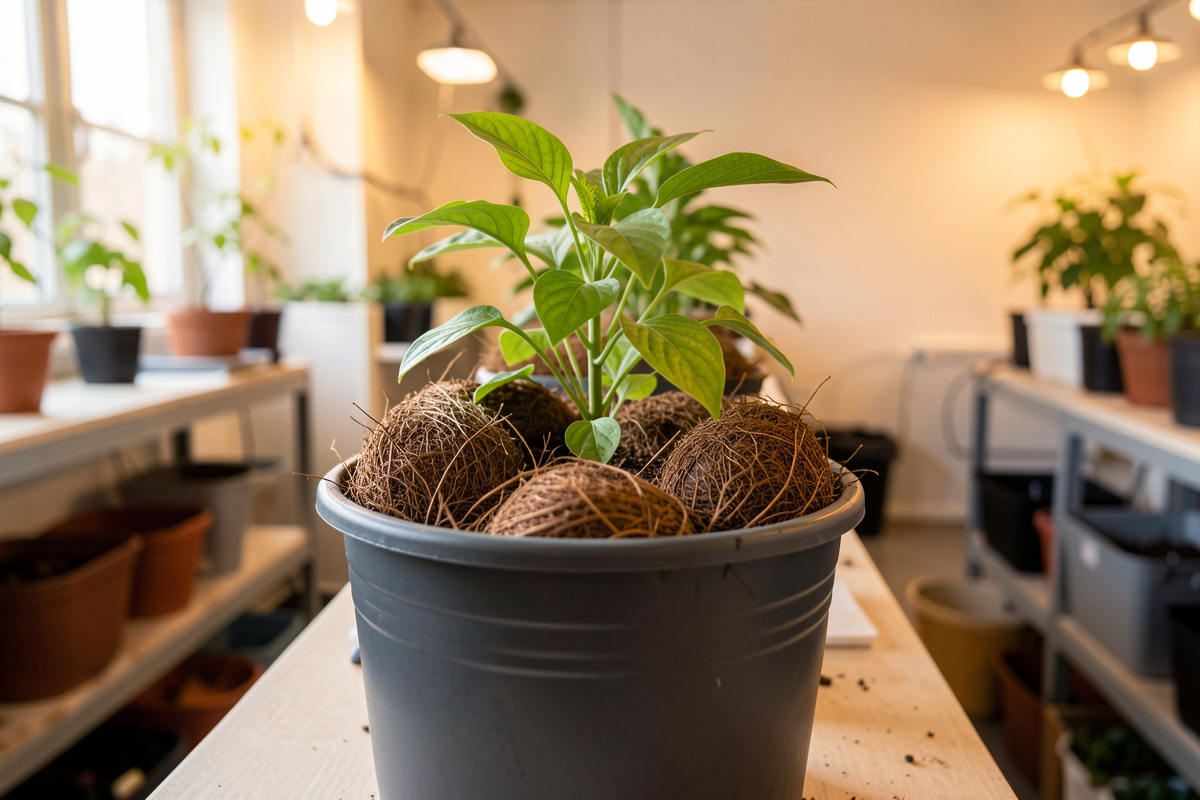
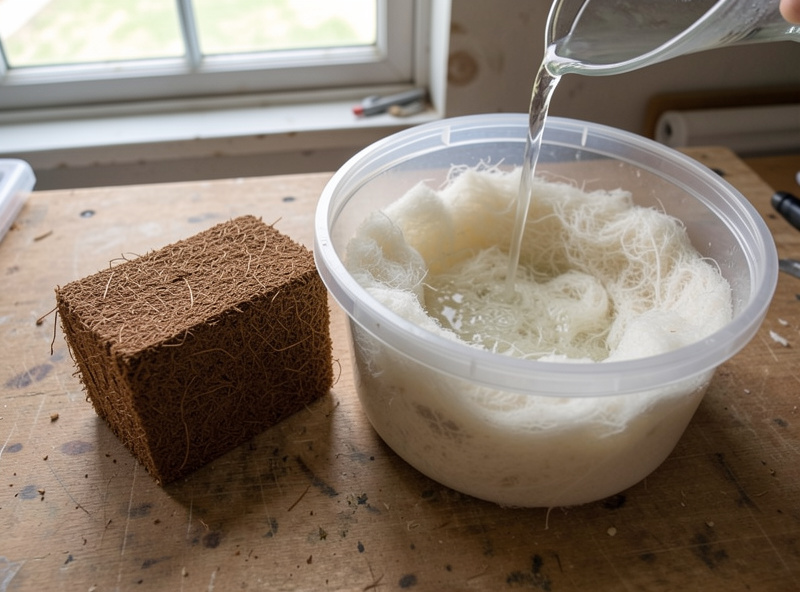
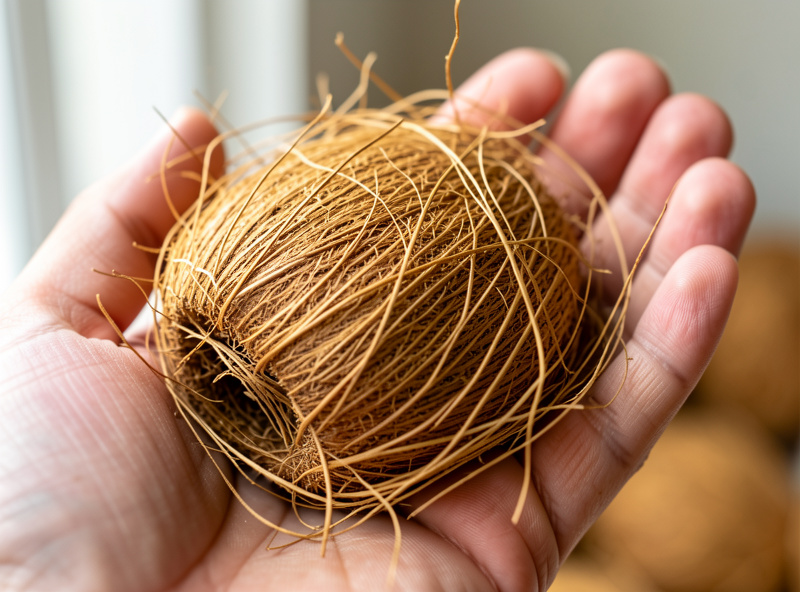
Coco coir is the fibrous husk of the coconut, processed and graded into pith (fine, peat-like), fiber (stringy), and chips (chunky). Most hydroponic coir is a pith-heavy blend sold as a compressed brick that expands five to seven times its size when you add water — a single 650-gram brick swells into around 8 to 9 litres of usable medium. It is a renewable byproduct, which is part of why it has largely replaced peat in soilless growing.
What makes coco special is its structure: it holds a lot of water in the pith while the coarser fibers and any added perlite keep air channels open. That combination of high water retention and decent aeration is why coco forgives both the grower who over-waters and the one who forgets. On my bench it is the baseline I reach for when I want a medium that behaves predictably while I focus on the nutrient solution.
The Catch: Coco Is Chemically Active
Here is the part that trips up new growers. Fresh coco coir carries a large load of potassium and sodium, and its fibers have cation exchange sites that grab calcium and magnesium straight out of your nutrient solution. Run unbuffered coco and within two weeks you will see classic calcium and magnesium deficiency — rusty spotting and yellowing on new growth — even though you are feeding a complete nutrient mix. The medium is eating your CalMag before the plant gets it.
The fix is buffering: soaking the coco in a strong calcium-magnesium solution so those exchange sites fill up before the roots arrive. Quality “pre-buffered” or “RHP-certified” coir has had this done at the factory, but I still treat every bag as if it needs a CalMag-rich first feed. The full step-by-step is in how to buffer coco coir, and it is the single most important habit for growing in this medium. Pair buffered coco with a nutrient line that includes plenty of calcium and magnesium — see the complete nutrients guide and keep pH Down handy.
EC and pH Targets for Coco
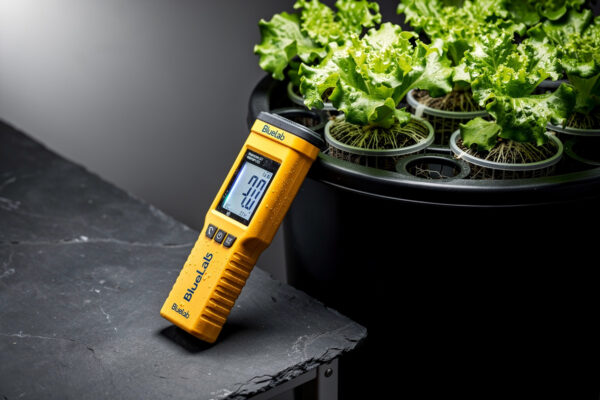
Coco runs a little differently from inert media on the meters. Because it can release stored potassium early and grab calcium, I watch EC drift closely with my EC meter and feed to a slightly higher CalMag baseline than I would in clay pebbles. Target root-zone pH sits in the standard hydroponic band, and coco’s gentle buffering actually helps hold it there.
| Parameter | Seedling / Clone | Vegetative | Fruiting |
|---|---|---|---|
| Target pH | 5.8–6.0 | 5.8–6.2 | 6.0–6.2 |
| Target EC (mS/cm) | 0.8–1.2 | 1.4–1.8 | 1.8–2.4 |
| CalMag | Light | Standard | Standard–high |
| Watering | Keep moist, never soaked | 1–2 feeds/day | 2–3 feeds/day |
These are the ranges I dial mine into; treat them as a starting point and let your plants and your meter readings refine them. The key discipline is feeding to a target EC rather than by feel, because coco’s chemistry will quietly shift the numbers if you are not watching.
Mixing Coco With Perlite
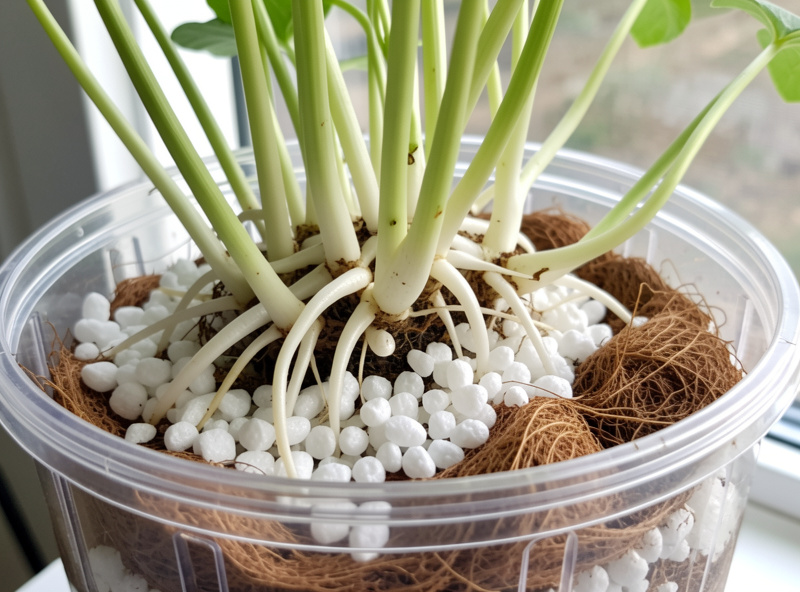
Straight coco works, but a coco-perlite blend is what I run most often. Adding 20 to 30 percent perlite opens up the air channels, speeds drainage, and makes the medium far harder to over-water — which matters a lot in my cooler Nordic grow room where uptake slows in winter. A 70/30 coco-perlite mix is, for my money, the most versatile hydroponic medium there is: it suits drip, hand-watering, and Dutch buckets, and it forgives mistakes at both ends of the watering schedule.
If you want to see how that blend stacks up against the alternatives, the growing media comparison lays them side by side, and the broader growing media guide is the hub that ties the whole topic together.
Which Systems Suit Coco
Coco shines in drip systems, hand-watered pots, and run-to-waste setups where its water-holding evens out the feed schedule. It also works well in Dutch buckets — see Dutch bucket hydroponics — usually blended with perlite or clay pebbles. Where coco is the wrong call is deep water culture, where you want a token inert medium in the net pot, not a sponge sitting in the waterline. Match coco to a method that lets it dry down between feeds and it rewards you; trap it in standing water and it will hold too much.
Coco is also reusable for a grow or two if it has not compacted. I rinse and re-buffer rather than bin a healthy batch — the process is covered in reusing growing media. Beginners building their first rig should also read hydroponics for beginners to see where the medium fits in the bigger picture.
Common Coco Problems and How I Fix Them
Most coco failures trace back to two things: skipping the buffer step, or treating coco like an inert medium when it is not. If new leaves show rusty spotting and pale veins a couple of weeks in, that is the calcium-magnesium deficiency I warned about — the medium is out-competing your feed. The fix is to lift your CalMag and, if you started with raw coir, flush and re-buffer. Catch it early and the plant recovers within a week of corrected feeding.
The other frequent issue is a salty, drifting EC. Some lower-grade coir carries a heavy sodium load and pushes your reservoir EC up as it releases stored salts, which throws off everything your meter tells you. I rinse questionable coir with plain water until the runoff EC settles before I trust it in a system. And if the medium stays soggy and roots start to brown, the answer is almost always more air — cut in more perlite next batch and stretch the gap between feeds. Coco is forgiving, but it is not invisible; watch your runoff EC and your new growth and it will tell you exactly what it needs.
Frequently Asked Questions
Is coco coir good for hydroponics?
Yes. Coco coir is one of the most forgiving hydroponic media because it holds water like soil while keeping decent aeration. It suits drip, hand-watered, and Dutch bucket systems. The one requirement is buffering it with a calcium-magnesium solution before use.
Does coco coir need to be buffered for hydroponics?
Yes. Fresh coco grabs calcium and magnesium out of your nutrient solution through cation exchange, causing deficiencies within two weeks. Buffering with a strong CalMag soak saturates those sites first. Pre-buffered or RHP-certified coir has had this done, but a CalMag-rich first feed is still wise.
What pH should coco coir be for hydroponics?
Aim for a root-zone pH of 5.8 to 6.2 for most crops, leaning to 6.0 to 6.2 in fruiting. Coco’s gentle buffering helps hold pH in that band, but you should still check it with a meter and keep pH Down on hand for drift.
Should I mix coco coir with perlite?
For most growers, yes. Adding 20 to 30 percent perlite opens air channels and makes the medium much harder to over-water. A 70/30 coco-perlite blend is the most versatile hydroponic medium, suiting drip, hand-watering, and Dutch buckets.
Can I reuse coco coir in hydroponics?
Coco is good for one or two more grows if it has not compacted or held disease. Rinse it, re-buffer with a CalMag soak, and inspect for old root mass. If it has gone dense or hosted root rot, replace it rather than risk the next crop.