Preventing root rot in hydroponics comes down to one rule above all others: keep the reservoir cool and oxygen-rich. Hold the res at or below 68°F (20°C), run air stones 24/7, dose a Bacillus inoculant on every res change, and Pythium simply never gets a foothold. Above 72°F (22°C) dissolved oxygen collapses and rot takes off. Prevention is almost entirely an environment problem, not a chemistry one.
Root rot is the failure that has ended more hydroponic crops than every insect combined, and on my own bench it is a summer problem I design against rather than a disease I treat. The pathogen — usually Pythium, sometimes its relatives — is opportunistic: it is probably present at low levels in most systems and only becomes destructive when the root zone gives it an opening. The Royal Horticultural Society describes the same opportunistic Pythium behaviour in soil-grown plants, and the water-culture version is just a faster, hotter case of it. That opening is warm, stagnant, low-oxygen water against bare root mass. Take the opening away and the disease has nowhere to go. This guide is the prevention program I run; if you are already staring at brown slimy roots and need to rescue a crop right now, the existing hydroponic root rot treatment guide covers diagnosis and the emergency reset.
What Root Rot Actually Is
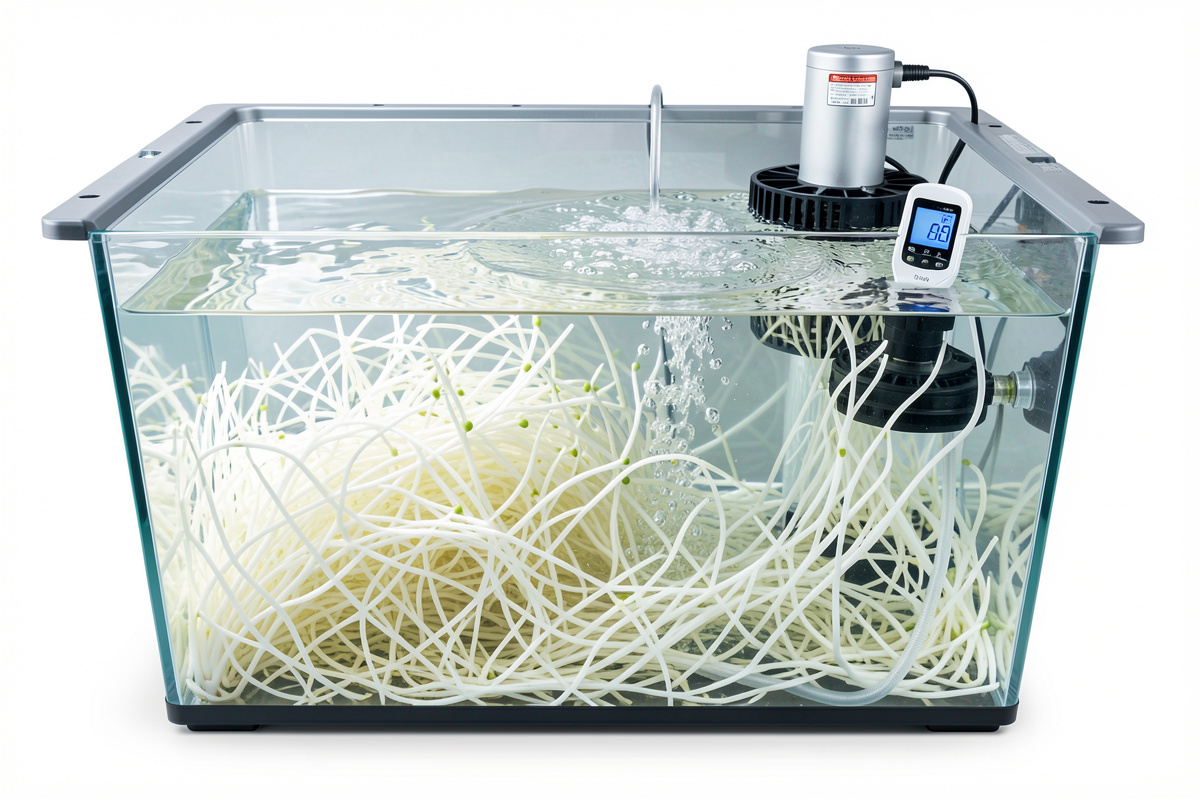
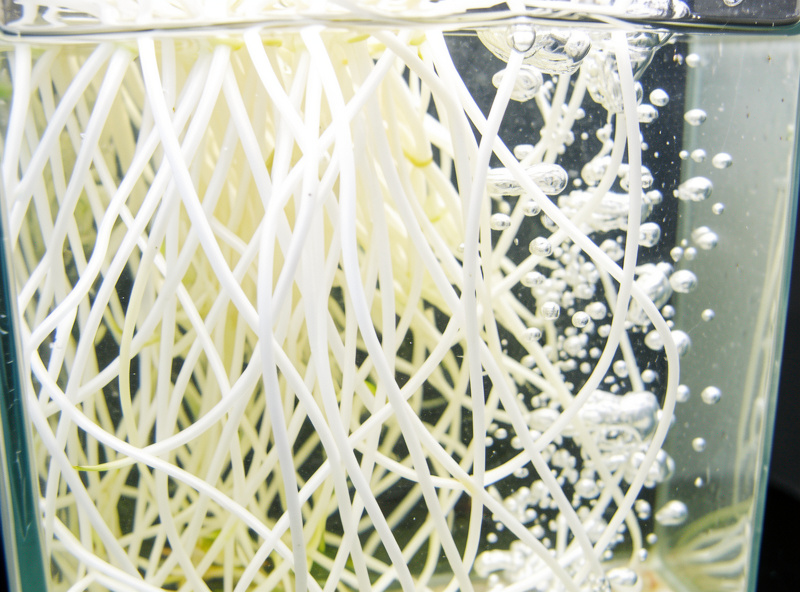
Healthy hydroponic roots are bright white, stringy, and faintly clean-smelling. Rotted roots turn tan, then brown, then a slimy mush that sloughs off the root core, and the reservoir develops a sour, swampy smell that you learn to dread. The browning is not the disease itself so much as the symptom — the root tissue dying from infection and oxygen starvation at the same time. Once a significant fraction of the root mass is gone, the plant cannot take up water or nutrients, wilts even in a full reservoir, and crashes fast.
The speed is what makes it so dangerous in water culture. In soil, a barrier of medium slows the pathogen and buffers the root zone. In DWC the entire root mass is permanently submerged in the very water the pathogen swims in, so an infection that would take a week to spread in soil can turn a healthy white root system brown in 48 hours of warm, under-oxygenated water. That speed is exactly why prevention beats treatment so decisively here: by the time you are treating, you have usually already lost root mass you will not get back this cycle.
The Two Numbers That Decide Everything
If you control reservoir temperature and dissolved oxygen, you control root rot. Everything else is a supporting actor. These two are linked — warmer water physically holds less dissolved oxygen — which is why temperature is the master lever.
| Reservoir temperature | Dissolved oxygen | Pythium risk | What to do |
|---|---|---|---|
| Below 65°F (18°C) | High, near saturation | Very low | Ideal — maintain |
| 65–68°F (18–20°C) | Good | Low | Safe target band |
| 68–72°F (20–22°C) | Falling | Rising | Add aeration, cool the res |
| Above 72°F (22°C) | Low | High — danger zone | Cool immediately, boost air |
Reservoir temperature ≤68°F (20°C) is the headline number. In a Nordic winter I get it for free; in summer I fight for it with frozen bottles, a chiller, shading the res from the lights, and moving heat-dumping pumps out of the tank. Even insulating the reservoir and keeping it off a warm floor buys you a few critical degrees. A cheap waterproof thermometer left in the res, read at the warmest part of the day, tells you whether you are winning.
Dissolved oxygen is the other half. Run air stones 24/7 — I use redundant aeration on every DWC tote so a single failed pump is not a crop-ending event — and keep the water moving. Oxygen-saturated water keeps root membranes healthy and lets the roots themselves resist infection, and it directly outcompetes the anaerobic conditions rot needs. The full reasoning lives in the dissolved oxygen in hydroponics guide, and the temperature tactics are in hydroponic water temperature. A reliable air pump and air stone kit is the single best money you can spend against rot.
As an Amazon Associate I earn from qualifying purchases.
The Biological Layer: Bacillus on Every Change
The second pillar of prevention is colonizing the root surface with beneficial microbes before the pathogen can. A Bacillus-based inoculant — Hydroguard is the one I keep on the shelf — establishes a living film of good bacteria on the roots that competes Pythium off the surface. I dose it fresh on every single reservoir change, because the population does not survive a dump-and-refill; a one-time addition months ago does nothing for the water you are running today.
There is one hard incompatibility to remember: beneficial bacteria and hydrogen peroxide cancel each other out. If you ever use a peroxide reset (below), you kill your Bacillus along with the rot, and you must re-inoculate only after the peroxide has fully broken down — never run both in the same reservoir at once. Pick the biological route or the peroxide route for a given reservoir; do not try to do both simultaneously.
Cleanliness and Light Exclusion
A clean reservoir is a hostile reservoir for rot. Between crops I scrub and sterilize the res, the net pots and the lines, because biofilm and leftover organic gunk are exactly what pathogens overwinter in — the full routine is in how to clean and sterilize a hydroponic reservoir. During a crop, light exclusion does double duty: opaque reservoirs and sealing lids stop the algae that crashes your dissolved oxygen overnight as it dies and feeds the fungus-gnat larvae that vector rot in the first place. I print my own light-tight lids and collars precisely to close those gaps. A sensible water-change schedule keeps the solution fresh rather than letting it sit and sour.
Root Rot Risk by Growing Method
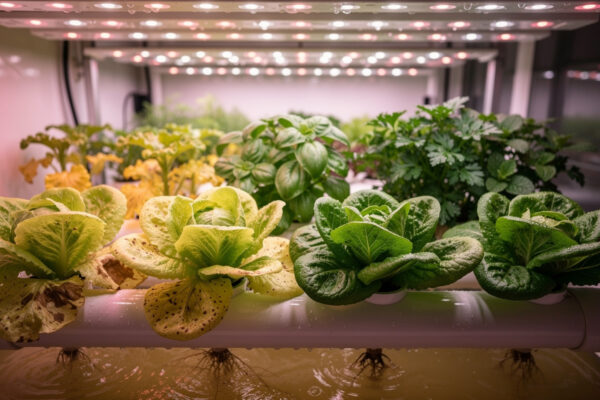
Running DWC, NFT, Kratky and ebb-and-flow side by side teaches you that root rot does not threaten every method equally — and your prevention effort should follow the risk.
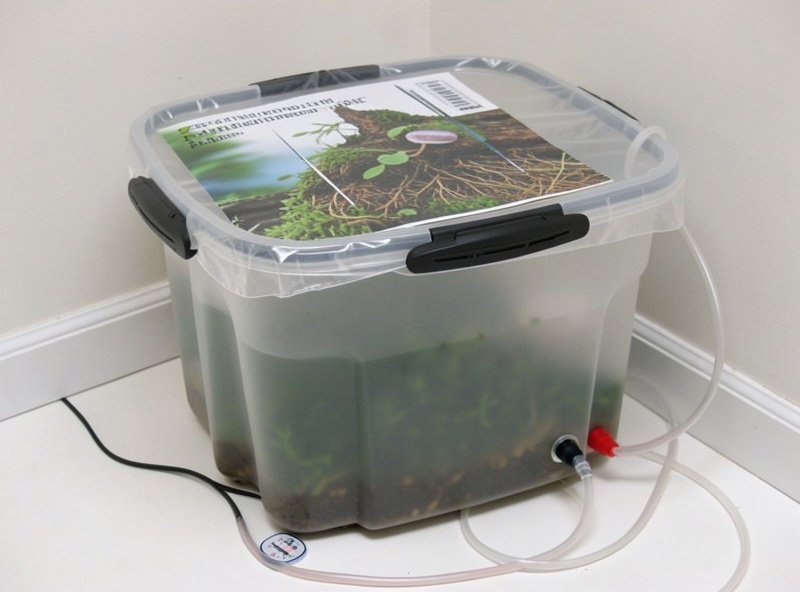
DWC is the high-risk method. The entire root mass sits permanently submerged, so temperature and oxygen are everything. This is where the ≤68°F target and 24/7 redundant aeration are non-negotiable. The upside is visibility and instant intervention: you can see the roots and a Bacillus or peroxide dose acts immediately.
NFT hides trouble. The thin film of water is well-oxygenated in principle, but you cannot see the roots, and any rot slime narrows the channel and starves plants downstream. A pump stutter that lets the film dry stresses roots into vulnerability. On NFT I lean on smell and on EC behavior to catch rot early, and I keep channel hygiene between crops fanatically clean.
Kratky trades pumps for stagnation risk. With no aeration, oxygen comes only from the growing air gap above a falling water line. Get the gap wrong and roots in the lower, stagnant water suffocate — which looks exactly like rot and invites the real thing. Light exclusion matters doubly here because the water sits still long enough for algae to take hold.
Ebb and flow is the most forgiving. The drain cycle pulls fresh air down through the clay-pebble bed every flood, so the root zone re-oxygenates constantly. The risk shifts to the medium surface staying wet between floods, so cycle timing is your lever.
Catching It Early: The Daily Tells
Prevention includes early detection, because the sooner you catch a slip the cheaper the fix. Three senses do the job before any meter. Smell is the most sensitive: a healthy reservoir is nearly odorless, and the first sour, swampy note means anaerobic activity is starting — act before you ever see brown. Sight comes next: lift the lid and look for the transition from bright white to dull tan at the root tips, the earliest visible stage. Feel confirms it: healthy roots are firm and stringy, while the first rot makes them faintly slimy before they fully brown. A reservoir thermometer read at the warmest part of the day backs all three up by warning you when the water has crept into the danger band even before the roots react. Scout this way a couple of times a week and you will catch the rare slip while it is still a five-minute correction rather than a lost crop.
The Hydrogen Peroxide Reset
When prevention slips and you catch the early edge of a problem — slight browning, a faint smell, an algae bloom — a one-time hydrogen peroxide reset can crash the pathogen load and buy the roots time to recover. I use 3% hydrogen peroxide at 2–3 mL per liter of reservoir. The extra oxygen it releases as it breaks down is also a short-term boost to the root zone. It is a reset, not a maintenance additive: it kills indiscriminately, including your beneficial Bacillus, so you use it once to clear the water and then re-establish the biology and fix the underlying temperature or oxygen problem that let rot start. If you are relying on peroxide repeatedly, the real fault is environmental and you are treating a symptom.
On recirculating builds, an inline UV sterilizer is the standing version of this idea — it continuously kills waterborne pathogens as the solution passes through, without touching the root zone directly. It is overkill for a single static DWC tote but genuinely useful on a larger recirculating loop where one infected site could otherwise seed the whole system.
Prevention Beats Treatment, Every Time
Root rot sits at the center of the whole pest and disease picture I lay out in the hydroponic pest control guide, and it connects to almost every other problem: fungus-gnat larvae vector it, so controlling fungus gnats is rot prevention; algae crashes the oxygen it needs, so light exclusion is rot prevention; and clean biosecurity, covered in the biosecurity guide, stops it arriving in the first place. The pattern across all of it is the same one I trust everywhere on this bench: fix the environment and the disease never gets its turn. A cool, oxygen-rich, clean, biologically-active reservoir is a system that defends its own roots — and that is worth far more than any bottle you can pour in after the fact.
Frequently Asked Questions
What temperature prevents root rot in hydroponics?
Keep the reservoir at or below 68 degrees Fahrenheit (20C). At that temperature the water holds plenty of dissolved oxygen and Pythium stays dormant. Above 72 degrees Fahrenheit (22C) oxygen falls and rot risk climbs sharply, so cooling the reservoir is the single highest-leverage prevention step.
How does dissolved oxygen prevent root rot?
Oxygen-saturated water keeps root membranes healthy so the roots resist infection, and it directly outcompetes the low-oxygen anaerobic conditions Pythium needs. Running air stones 24/7, ideally with redundant aeration, keeps dissolved oxygen high. Warmer water holds less oxygen, which is why temperature and oxygen are linked.
Can I use hydrogen peroxide to prevent root rot?
3 percent hydrogen peroxide at 2 to 3 mL per liter works as a one-time reset to crash an early problem, but it is not a maintenance additive. It kills beneficial bacteria too, so re-inoculate only after it breaks down, and never run it at the same time as a live Bacillus product.
Does Bacillus inoculant really stop root rot?
Beneficial Bacillus colonizes the root surface with good bacteria that compete Pythium off the roots. It is most effective as prevention rather than cure, dosed fresh on every reservoir change because the population does not survive a dump-and-refill. It pairs with cool, oxygenated water rather than replacing it.
How fast does root rot kill hydroponic plants?
Faster than in soil. Because the entire root mass is submerged in the same water the pathogen lives in, a healthy white root system can turn brown and slimy within 48 hours in a warm, under-oxygenated reservoir. That speed is why prevention matters far more than treatment.
Do I need a UV sterilizer to prevent root rot?
Not for a single static DWC tote, where cool oxygenated water and Bacillus are enough. An inline UV sterilizer is worth it on larger recirculating systems, where it continuously kills waterborne pathogens as solution passes through and stops one infected site from seeding the whole loop.